
Unlocking the Joy of Horse Riding Lessons
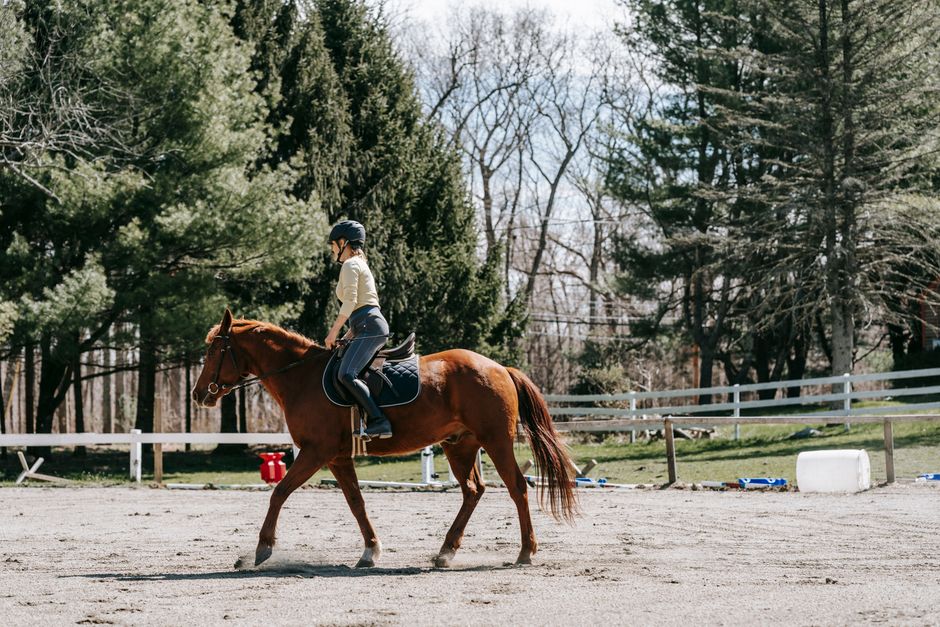
Horse riding is more than just a sport; it is an experience that connects humans with these majestic animals. Whether you are a complete beginner or someone looking to refine your skills, horse riding lessons provide a structured environment to learn and grow. This article will explore the various aspects of horse riding lessons, including their benefits, what to expect, and how to choose the right program for you.
The Benefits of Horse Riding Lessons
Engaging in horse riding lessons offers numerous benefits that extend beyond simply learning how to ride. Firstly, it promotes physical fitness. Riding requires strength, balance, and coordination, making it an excellent workout for various muscle groups. A study conducted by the British Horse Society found that regular riders develop improved core strength and overall fitness levels.
Moreover, horse riding can greatly enhance mental well-being. The bond formed with a horse can reduce stress and anxiety levels significantly. Riding requires focus, which can help clear your mind and improve your mood. Additionally, learning to ride fosters a sense of responsibility and discipline, as riders must care for their horses and understand their needs.
Another notable benefit is the social aspect. Joining riding lessons can introduce you to a community of like-minded individuals who share a passion for equestrian activities. This social interaction can lead to lasting friendships and support networks.
What to Expect from Horse Riding Lessons
When you enroll in horse riding lessons, it’s essential to understand what to expect during your training. Typically, lessons are conducted by certified instructors who ensure safety and provide valuable insights into riding techniques. Beginners often start with groundwork, learning how to handle and groom horses before mounting.
As you progress, the lessons will include riding fundamentals such as mounting, steering, and stopping the horse. You will also learn about different riding styles, including English and Western riding. Each style has its own techniques and equipment, and your instructor will help you find the one that suits you best.
It’s also important to note that lessons vary in duration and frequency. Many riding schools offer packages that include one-on-one instruction, group sessions, or even riding camps for more intensive training. The right choice depends on your schedule, budget, and learning preferences.
Choosing the Right Riding School
Choosing the right riding school is crucial for your learning experience. Start by researching local facilities and reading reviews from previous students. Look for schools that prioritize safety and have certified instructors. A great way to gauge the quality of a riding school is by visiting in person. Observe the horses, the environment, and how instructors interact with students.
Additionally, ensure that the school offers a variety of lessons tailored to different skill levels. Some schools specialize in specific disciplines, while others provide a more general curriculum. Don’t hesitate to ask questions about their teaching methods, horse care practices, and facilities.
Another factor to consider is the availability of horses. A good riding school should have well-trained and healthy horses suitable for riders of all levels. Ensure that the school has a proper maintenance routine for their horses, as this reflects their commitment to animal welfare.
The Cost of Horse Riding Lessons
Understanding the cost of horse riding lessons is vital for budgeting your equestrian journey. Prices can vary significantly based on location, school reputation, and lesson length. Typically, one-hour lessons can range from $30 to $100, with discounts for package purchases.
Keep in mind that additional costs may arise, including equipment, riding attire, and potential competition fees if you decide to pursue that path. Investing in quality riding gear is essential for safety and comfort. Basic necessities include a riding helmet, boots, and appropriate clothing.
Some schools may also offer scholarships or financial aid for students who show promise but face financial barriers. Investigating these options can make horse riding more accessible.
Getting Started with Horse Riding Lessons
To embark on your horse riding journey, the first step is to find a local riding school that meets your needs. Many schools provide introductory lessons for beginners, allowing you to experience riding without a long-term commitment. This can be a great way to determine if riding is right for you.
Once you’ve chosen a school, it’s time to prepare for your first lesson. Wear comfortable clothing and sturdy shoes, and don’t forget to arrive early to help with grooming and tacking up the horse if required. This hands-on experience is invaluable and helps build a connection with your horse.
Finally, remember that every rider progresses at their own pace. Some may take to riding quickly, while others may need more time to develop confidence. Patience and practice are key, so embrace the learning process and enjoy every moment in the saddle.
Conclusion
Horse riding lessons open up a world of possibilities, offering physical, emotional, and social benefits. By understanding what to expect and how to choose the right school, you can ensure a rewarding experience. Whether you aim to ride competitively or simply enjoy the pleasure of being around horses, these lessons can be a transformative journey. So saddle up and discover the joy of horse riding lessons today!
For those who are interested in learning more about horse riding, you can explore various options available in your area. Consider looking into comprehensive programs that offer horse riding lessons tailored to different skill levels and goals.