
Exploring the Joys of Summer Camp for Elementary School Students
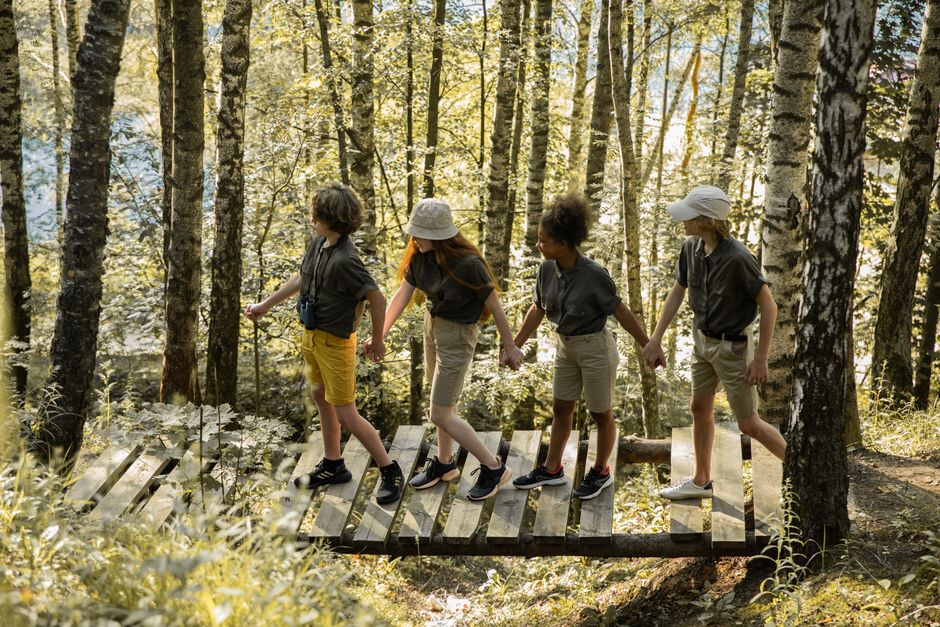
Summer camps offer a unique opportunity for children to explore new interests, make friends, and develop essential life skills. For elementary school students, these camps can be particularly impactful, as they provide a structured yet fun environment for learning and growth. This article delves into the various aspects of summer camps tailored for young children, emphasizing the benefits, activities, and how parents can choose the right program.
The Benefits of Summer Camp for Kids
One of the primary advantages of summer camp is the social interaction it fosters among children. At camp, kids from various backgrounds come together, allowing them to form new friendships and learn to work collaboratively. This socialization is vital during the elementary years, as children are still developing their interpersonal skills.
Moreover, summer camps often focus on building confidence and independence. Many activities are designed to challenge campers, encouraging them to step outside their comfort zones. For instance, participating in team sports or arts and crafts can help children discover new talents and boost their self-esteem.
Another significant benefit of summer camps is the opportunity for physical activity. In our increasingly digital world, many children spend excessive time on screens. Summer camps provide a much-needed break from technology, promoting outdoor play and physical exercise, which are crucial for healthy development.
Types of Activities Offered
Summer camps for elementary school students typically offer a wide range of activities, catering to various interests. From traditional outdoor experiences like hiking and swimming to creative pursuits such as painting and music, there is something for every child.
Moreover, many camps incorporate educational components into their programs. STEM-focused camps, for instance, engage children in science, technology, engineering, and mathematics through hands-on experiments and projects. These activities not only make learning fun but also inspire a love for these subjects at an early age.
Additionally, camps often feature specialty programs like sports, performing arts, or environmental education, allowing children to explore and develop specific interests. Such diversification ensures that every camper finds something they are passionate about.
How to Choose the Right Summer Camp
Choosing the right summer camp for your child can be a daunting task. Parents should consider several factors, including the camp’s location, duration, and the activities offered. It’s essential to select a camp that aligns with your child’s interests and comfort level.
Moreover, safety should be a top priority. Ensure that the camp has qualified staff, appropriate safety measures, and positive reviews from past attendees. Engaging with other parents who have enrolled their children in the camp can provide valuable insights into the camp’s quality and environment.
Lastly, consider visiting the camp before enrollment. Many camps offer open houses or tours, which can help parents gauge the atmosphere and see firsthand how the camp operates. This experience can also help ease any fears your child may have about attending camp.
The Role of Parents in Summer Camp Preparation
Parents play a crucial role in preparing their children for summer camp. Open communication about what to expect can help alleviate any anxiety a child may feel about being away from home. Discussing the fun activities they will participate in and the friends they will make can create excitement.
Additionally, helping children pack their bags with all the necessary items, such as clothing, toiletries, and any personal items that provide comfort, can make the transition smoother. It’s also important to emphasize the importance of respect and cooperation while interacting with camp staff and fellow campers.
Finally, encouraging children to embrace the experience wholeheartedly will help them make the most of their time at camp. Reminding them to be open to trying new things and meeting new friends can lead to unforgettable memories.
Conclusion
Summer camps for elementary school students are a fantastic way for children to learn, grow, and have fun during their break from school. With a plethora of activities and opportunities for socialization, kids can develop essential skills that will benefit them in the long run. When selecting a camp, parents should consider their child’s interests, safety, and the overall environment to ensure a positive experience.
For those interested in finding a great program, サマーキャンプ 小学生 offers fantastic options for young campers looking to explore their potential while making lasting memories.