
The Rise of Luxury Brand Resellers in Today’s Market
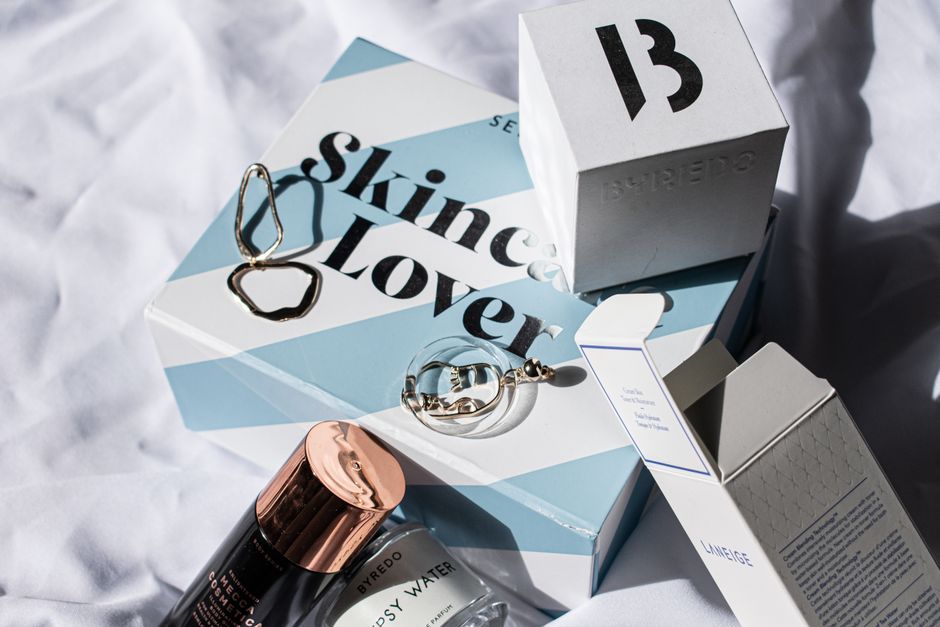
In recent years, the luxury goods market has undergone a significant transformation, with the emergence of luxury brand resellers playing a pivotal role. These resellers cater to a growing demographic of consumers who seek access to high-end products at more affordable prices. As the demand for luxury items continues to rise, understanding the dynamics of this market segment becomes crucial for both buyers and sellers.
Understanding the Luxury Resale Market
The luxury resale market has expanded exponentially, with estimates suggesting it could reach $64 billion by 2024. This growth is fueled by a shift in consumer attitudes towards sustainability and the circular economy. Many luxury shoppers are now prioritizing the purchase of pre-owned items, not only for the cost savings but also for the environmental impact. The rise of platforms dedicated to the resale of luxury items has made it easier than ever for consumers to access these high-end products.
These platforms, such as online marketplaces and consignment shops, offer a wide variety of luxury brands, from high fashion to fine jewelry. The convenience of shopping online, combined with the assurance of authenticity provided by reputable resellers, has contributed significantly to the expansion of this market.
Moreover, the luxury brand reseller model allows consumers to enjoy the prestige of luxury goods without the hefty price tags typically associated with such items. This democratization of luxury has attracted a diverse consumer base, spanning various age groups and income levels.
The Role of Technology in Luxury Reselling
Technology has played a crucial role in the growth of the luxury resale market. With the rise of e-commerce, resellers can reach a global audience, breaking down geographical barriers that once limited access to luxury goods. Advanced authentication technologies, including blockchain and AI, help ensure that the items sold are genuine, thus building trust between sellers and buyers.
Furthermore, social media platforms have become essential tools for resellers to market their products. Influencers and brand ambassadors often showcase their luxury finds on platforms like Instagram and TikTok, driving interest and sales. The visual nature of these platforms allows resellers to highlight the unique features of luxury products, creating an aspirational narrative that appeals to potential buyers.
As a result, many luxury brand resellers have developed sophisticated marketing strategies that leverage data analytics to understand consumer preferences and tailor their offerings accordingly. This data-driven approach not only enhances customer satisfaction but also drives repeat business.
Challenges Faced by Luxury Brand Resellers
Despite the booming market, luxury brand resellers face several challenges. One of the most significant issues is the risk of counterfeit goods. As the demand for luxury items rises, so does the prevalence of fakes. Resellers must invest in robust authentication processes to protect their reputation and ensure customer satisfaction.
Additionally, managing inventory can be a daunting task. Unlike traditional retail, where products are sourced directly from manufacturers, resellers rely on a network of consignment sellers and individuals looking to sell their luxury items. This model can lead to fluctuations in inventory levels, making it challenging to meet consumer demand consistently.
Moreover, the luxury market is highly competitive. Established luxury brands are increasingly entering the resale space themselves, creating a competitive landscape that can be difficult for independent resellers to navigate. To stay relevant, resellers must continuously innovate and differentiate their offerings.
Consumer Insights: Who Buys Luxury Resold Items?
The profiles of consumers who purchase luxury resold items are diverse. Millennials and Gen Z consumers are particularly drawn to the luxury resale market, as they prioritize sustainability and value for money. Many of these younger buyers view second-hand luxury goods as both a smart financial decision and a way to express their unique style.
Research indicates that approximately 70% of consumers in these demographics prefer to shop sustainably. This trend has encouraged luxury brand resellers to adopt eco-friendly practices, such as sustainable packaging and carbon-neutral shipping options, further appealing to the environmentally conscious buyer.
Additionally, the allure of unique, limited-edition items found in the resale market cannot be overstated. Many luxury shoppers are motivated by the desire to own something that is not widely available, making the resale market an attractive option for those seeking exclusivity.
Conclusion: The Future of Luxury Brand Reselling
The luxury brand reseller market is poised for continued growth as consumer preferences shift towards sustainability and value. With the integration of technology and a focus on customer experience, resellers can thrive in this dynamic environment. As a key player in the luxury goods ecosystem, the role of the reseller will only become more significant in the coming years. For those looking to explore this burgeoning market, partnering with a reputable luxury brand reseller can provide access to an array of high-end products while also contributing to a more sustainable shopping model.