
The Rise of Luxury Brand Resellers: A New Era in Fashion
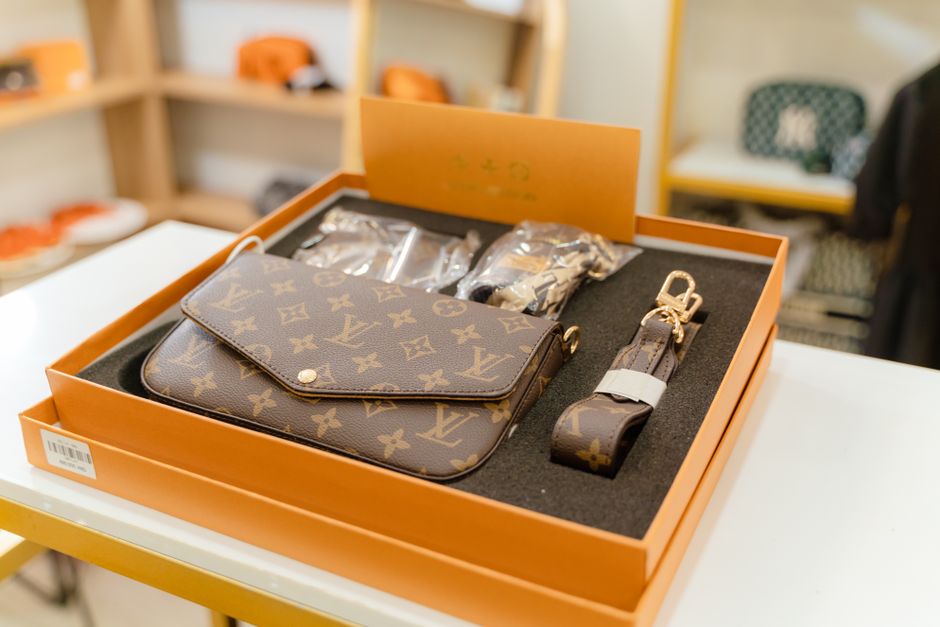
The luxury fashion market has long been dominated by high-end brands, yet a new trend is emerging that is transforming the way consumers interact with luxury goods. Luxury brand resellers are becoming increasingly popular, offering a platform for both buyers and sellers to engage in the world of designer fashion without the traditional retail markup. This article explores the phenomenon of luxury brand reselling, its impact on the fashion industry, and what consumers should know before diving into this vibrant marketplace.
Understanding Luxury Brand Reselling
Luxury brand reselling refers to the process of purchasing high-end fashion items, such as designer handbags, shoes, and clothing, to resell them at a profit. This market has seen significant growth over the past few years, fueled by the rise of online platforms that facilitate these transactions. Resellers often acquire items from various sources, including individuals looking to declutter their wardrobes and retail outlets offering discounted products.
One of the key factors driving this trend is the increasing demand for sustainable fashion. Consumers are becoming more conscious of their purchasing habits, opting for second-hand items as a way to reduce waste and promote sustainability. Luxury brand resellers play a pivotal role in this movement by extending the lifecycle of luxury goods, allowing them to be enjoyed by multiple owners over time.
The Economic Impact of Reselling
The luxury resale market is projected to reach $64 billion by 2025, according to a report from ThredUp. This growth can be attributed not only to consumer demand for affordable luxury but also to the savvy business strategies employed by resellers. Many resellers curate their collections carefully, often focusing on rare or hard-to-find items that appeal to collectors and fashion enthusiasts alike.
Moreover, the globalization of the luxury market means that resellers can tap into a wider audience. Platforms like The RealReal and Vestiaire Collective have made it easier for consumers around the world to buy and sell luxury items, transcending geographical barriers. This increased accessibility has further bolstered the appeal of luxury brand reselling as a viable business model.
Challenges Faced by Resellers
While the luxury brand resale market offers numerous opportunities, it is not without its challenges. One significant hurdle is the authenticity of the products being sold. With counterfeit goods becoming increasingly sophisticated, resellers must be diligent in verifying the authenticity of items before listing them for sale. Many reputable reselling platforms have implemented strict authentication processes to protect buyers and sellers alike.
Additionally, resellers need to stay updated on market trends and pricing to ensure they are competitive. Understanding the nuances of the luxury market, including seasonal trends and brand popularity, can greatly influence a reseller’s success. For example, items from brands like Chanel and Hermes tend to retain their value better than those from less established labels, making them more desirable in the resale market.
How to Get Started as a Luxury Brand Reseller
For those interested in becoming luxury brand resellers, there are several steps to consider. First, it’s essential to research the market to identify popular brands and products. Joining online communities and forums can help aspiring resellers gain insights into what items are trending and which platforms are most effective for selling.
Next, building a reliable sourcing strategy is crucial. This may involve thrift shopping, attending estate sales, or partnering with individuals looking to sell their luxury items. Establishing connections with other resellers and industry insiders can also provide valuable leads on potential inventory.
Once a collection is established, creating an online presence through social media and resale platforms can help attract buyers. High-quality images and detailed descriptions are key to showcasing luxury items, as they convey the value and desirability of the products being sold. Luxury brand resellers often succeed by highlighting the unique story behind each item, further engaging potential buyers.
The Future of Luxury Brand Reselling
As the luxury brand resale market continues to grow, it is likely to evolve in ways that reflect changing consumer preferences and technological advancements. Innovations such as augmented reality and AI-driven recommendations may enhance the online shopping experience, making it even easier for consumers to find and purchase luxury items.
Furthermore, collaborations between luxury brands and resale platforms are becoming more common, as brands recognize the value of extending their reach through secondary markets. This shift may lead to greater acceptance of reselling within the luxury sector, ultimately benefiting both consumers and brands alike.
Conclusion
The rise of luxury brand resellers marks a significant shift in the fashion industry, offering consumers an alternative route to access coveted designer items while promoting sustainability. As the market continues to grow, both challenges and opportunities will emerge for resellers and buyers alike. By understanding the dynamics of this evolving landscape, individuals can navigate the world of luxury reselling with confidence and success.