Revolutionizing Agriculture: The Rise of Vertical Farming
In recent years, the world has been facing numerous challenges in food production, from climate change to urbanization. Vertical farming technology is emerging as a promising solution to these issues, enabling the cultivation of crops in vertically stacked layers, often within controlled environments. This innovative approach not only maximizes space but also enhances the efficiency of resource use, making it a key player in the future of sustainable agriculture.
The Concept of Vertical Farming
Vertical farming is defined as the practice of growing crops in a vertically inclined environment, utilizing controlled-environment agriculture (CEA) technology. This method allows for year-round production, independent of weather conditions, and significantly reduces the land area required for farming. Traditional farming methods require vast expanses of land, which are becoming increasingly scarce due to urban sprawl and environmental degradation.
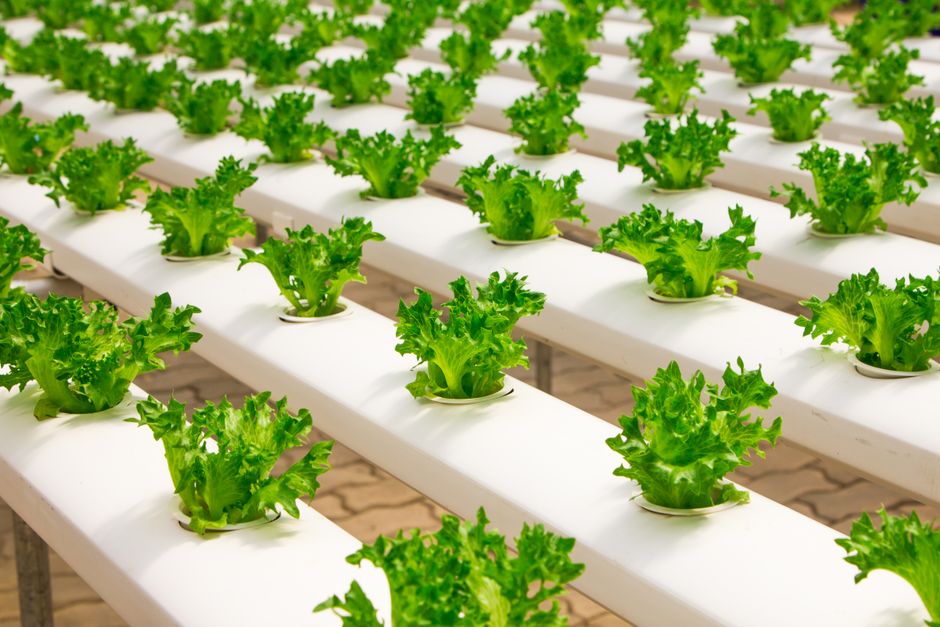
One of the core technologies used in vertical farming is hydroponics, where plants are grown in nutrient-rich water instead of soil. This not only conserves water but also allows for precise control over nutrient delivery. Additionally, aeroponics, which involves misting the roots of plants with a nutrient solution, is gaining traction in the vertical farming sector. The integration of these technologies is pivotal for maximizing yield and minimizing resource consumption.
Benefits of Vertical Farming
Vertical farming offers numerous advantages over traditional agriculture. First and foremost, it requires significantly less land. For instance, a single acre of vertical farm can produce the same yield as several acres of traditional farmland. Moreover, vertical farms can be established in urban areas, reducing the transportation costs and carbon footprint associated with food distribution.
Another major benefit is the reduction of pesticide usage. In controlled environments, pests are less likely to thrive, allowing farmers to grow crops with fewer chemicals. This not only results in healthier produce but also contributes to environmental sustainability. Furthermore, vertical farming systems can be designed to operate on renewable energy sources, further decreasing their ecological impact.
Economic feasibility is another aspect where vertical farming shines. While the initial setup costs can be high, the long-term savings on water, fertilizers, and transportation can make vertical farms financially viable. In many cases, urban vertical farms can sell their produce at premium prices due to its freshness and quality, benefitting local economies.
Challenges Faced by Vertical Farmers
Despite the promising outlook, vertical farming is not without its challenges. One of the primary hurdles is the high initial capital investment required to set up a vertical farming operation. Equipment for climate control, lighting, and irrigation can be costly, making it difficult for some entrepreneurs to enter the market.
Additionally, operational costs can be significant. Energy consumption for lighting and climate control can lead to high utility bills, which must be carefully managed to ensure profitability. Innovations in energy efficiency and renewable energy sources are essential to address this challenge.
Market acceptance is another critical factor. While consumers are becoming more aware of sustainable practices, there is still a significant segment of the population that is hesitant to embrace new farming methods. Education and marketing efforts are necessary to inform the public about the benefits of vertical farming and to build a supportive customer base.
The Future of Vertical Farming Technology
The future of vertical farming technology looks promising, with ongoing advancements in automation and artificial intelligence. Smart farming technologies are being integrated into vertical farms, allowing for real-time monitoring and data collection. This data can be used to optimize growing conditions and improve yield efficiency.
Furthermore, collaborations between tech companies and agricultural experts are leading to innovative solutions that could revolutionize the industry. For example, the use of machine learning algorithms can help predict crop performance based on environmental conditions, enabling farmers to make more informed decisions.
As cities continue to grow, the demand for local, fresh produce will only increase. Vertical farming technology, with its ability to produce food in urban settings, is well-positioned to meet this demand. vertical farming technology will play a crucial role in creating a sustainable food system that can support the growing global population.
Conclusion
Vertical farming technology represents a transformative shift in how we approach agriculture. By leveraging innovative techniques and technologies, it offers a sustainable solution to the challenges posed by traditional farming methods. While there are hurdles to overcome, the potential benefits—ranging from increased food security to reduced environmental impact—make it a compelling avenue for the future of agriculture. As we continue to explore and refine these methods, vertical farming could very well hold the key to feeding the world sustainably in the years to come.