
The Rising Importance of Esports Team Sponsorships
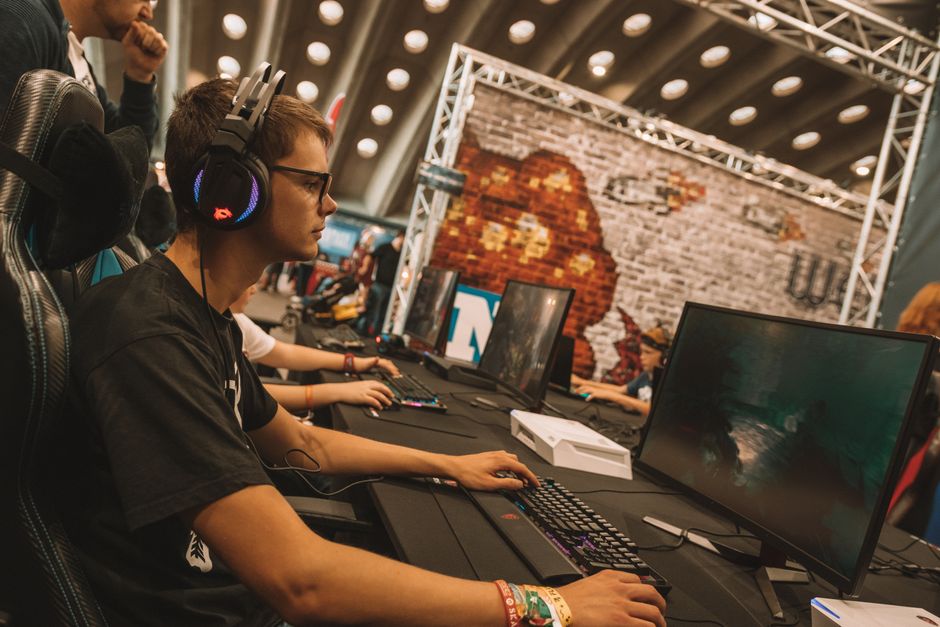
In recent years, the esports industry has experienced unprecedented growth, transforming from a niche pastime into a global phenomenon. As the popularity of competitive gaming surges, so does the interest of brands looking to tap into this burgeoning market. Esports team sponsorship has become a vital avenue for companies aiming to connect with a young, engaged audience. This article explores the dynamics of esports sponsorships, the benefits they offer, and the future of this exciting intersection between gaming and marketing.
Understanding Esports Team Sponsorships
Esports team sponsorships refer to financial and promotional partnerships between brands and competitive gaming teams. These partnerships often involve companies providing monetary support in exchange for branding opportunities, such as logo placements on team jerseys, social media promotions, and more. The rise of popular esports titles, such as League of Legends, Dota 2, and Fortnite, has led to the establishment of professional teams that compete for substantial prize pools, further elevating the visibility of sponsors.
Statistically, the global esports market is projected to reach $3 billion by 2025, with sponsorships accounting for a significant portion of this revenue. According to recent reports, sponsorships now constitute approximately 70% of the total esports revenue, reflecting the critical role they play in the ecosystem. Brands are recognizing that aligning with esports teams allows them to reach a dedicated fan base that is often difficult to engage through traditional advertising methods.
Benefits of Sponsoring Esports Teams
Sponsoring esports teams offers numerous advantages for brands. First and foremost, it provides access to a highly engaged audience. Esports fans are known for their loyalty and dedication, often spending substantial time following their favorite teams and players. This level of engagement translates into effective brand recall and a higher likelihood of consumer action.
Moreover, esports sponsorships enable brands to create authentic connections with their audience. Unlike traditional media, where advertisements can feel intrusive, sponsorships allow brands to integrate themselves into the gaming experience. For example, when a viewer sees their favorite player using a specific gaming headset or energy drink, it creates a natural association between the product and the activity, enhancing brand affinity.
Another significant benefit is the potential for social media exposure. Esports teams often have large followings on platforms like Twitter, Instagram, and Twitch. A well-placed sponsorship can lead to extensive reach and visibility, as fans share content related to their favorite teams. This organic promotion can result in substantial returns on investment for brands.
Case Studies: Successful Esports Sponsorships
Several brands have successfully leveraged esports team sponsorships to achieve remarkable results. One notable example is Red Bull, which has established itself as a prominent player in the esports arena. By sponsoring various teams and events, Red Bull has enhanced its brand image as an innovator and supporter of extreme sports.
Another success story is Intel, which has been deeply involved in the esports community for years. By sponsoring events like the Intel Extreme Masters, Intel not only promotes its products but also positions itself as a leader in the gaming hardware space. The visibility gained from these sponsorships has contributed to increased sales and brand loyalty among gamers.
Additionally, companies like Coca-Cola have also entered the esports sponsorship realm, recognizing the potential for engagement among younger demographics. By aligning with popular teams and events, Coca-Cola has effectively reached an audience that values authenticity and community.
The Future of Esports Sponsorships
As the esports industry continues to evolve, the landscape of sponsorships is likely to change as well. The integration of advanced technologies, such as virtual reality and augmented reality, may present new opportunities for brands to engage with fans in immersive ways. Imagine a scenario where a sponsor can create a virtual experience where fans can interact with their favorite players or products.
Additionally, as esports becomes more mainstream, there may be an influx of traditional sports brands looking to enter the market. This could lead to increased competition among sponsors, ultimately benefiting the teams and players through enhanced financial support and resources.
Furthermore, the rise of influencer marketing within esports cannot be overlooked. Many professional gamers have significant followings, and their endorsements can greatly impact consumer behavior. Brands that recognize the value of influencer partnerships will likely gain a competitive edge in this rapidly growing market.
Conclusion
Esports team sponsorships are reshaping the way brands connect with consumers, especially the younger demographic that has grown up in the digital age. With a robust fan base and engaging content, esports offers a unique platform for companies to showcase their products and build brand loyalty. As the industry continues to grow, the potential for innovative sponsorship models will only expand, making it an exciting time for brands looking to make their mark in the esports world. To learn more about the intricacies of esports team sponsorship, businesses should consider the evolving landscape and how they can best engage with this dynamic community.