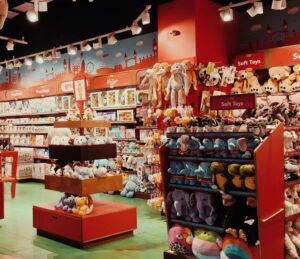
The Art and Business of Toy Manufacturing for Children
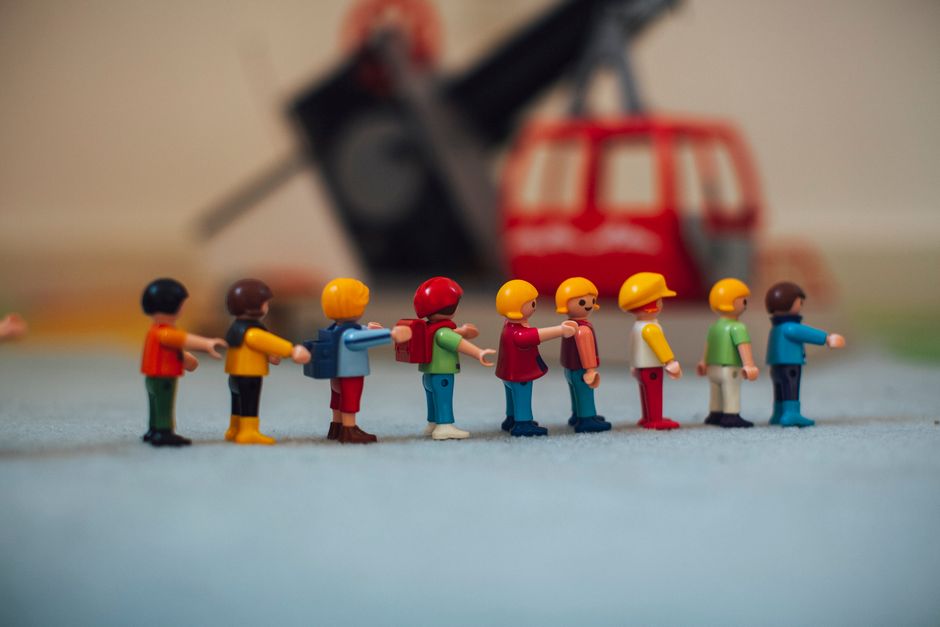
The world of children’s toys is a fascinating and dynamic industry that combines creativity, safety, and business acumen. As parents and caregivers seek the best products for their little ones, toy manufacturers play a crucial role in providing innovative and engaging options. This article delves into the intricacies of being a children toy manufacturer, exploring the various aspects that contribute to success in this competitive market.
The Evolution of Children’s Toys
The history of children’s toys dates back thousands of years, with simple items crafted from natural materials like wood and clay. Over time, technological advancements and changing cultural norms have transformed the toy industry into a multi-billion dollar enterprise. Today, toys range from traditional building blocks to high-tech interactive gadgets.
For instance, the introduction of electronic toys has significantly impacted how children play and learn. According to a report from the Toy Association, the U.S. toy industry generated approximately $27 billion in sales in 2020, highlighting the immense consumer demand for innovative products.
As a children toy manufacturer, understanding these historical trends is essential for creating products that resonate with today’s consumers. By marrying traditional play patterns with modern technology, manufacturers can create toys that are not only fun but also educational.
Understanding Safety Regulations
One of the most critical aspects of toy manufacturing is adhering to safety regulations. Organizations such as the Consumer Product Safety Commission (CPSC) in the United States set stringent guidelines to ensure that toys are safe for children. These regulations cover a wide range of factors, including materials used, age appropriateness, and potential hazards.
For example, toys must be free from toxic substances, sharp edges, and small parts that could pose choking hazards. A reputable children toy manufacturer will prioritize safety in their design and production processes to avoid recalls and damage to their brand’s reputation.
In addition to compliance with local regulations, manufacturers should also consider international safety standards, especially if they plan to market their toys globally. Understanding the nuances of different markets can help manufacturers tailor their products to meet diverse consumer expectations.
Innovation and Market Trends
Innovation is the lifeblood of the toy industry. As children’s interests evolve, so too must the products that cater to them. Current trends indicate a growing demand for toys that promote STEM (science, technology, engineering, and mathematics) learning, as well as those that encourage physical activity and creativity.
Moreover, the rise of eco-conscious consumers is prompting manufacturers to explore sustainable materials and production methods. Brands that prioritize sustainability can gain a competitive edge in the market by appealing to environmentally aware parents.
For instance, companies are increasingly using biodegradable plastics and recycled materials to create toys. This shift not only meets consumer demand but also contributes to reducing the environmental impact of toy production.
Marketing Strategies for Toy Manufacturers
Effective marketing strategies are vital for a successful children toy manufacturer. With a plethora of options available, capturing the attention of both parents and children can be challenging. Digital marketing, including social media campaigns and influencer partnerships, has become a cornerstone of modern marketing strategies.
Engaging storytelling can also play a significant role in connecting with consumers. Brands that create compelling narratives around their toys, showcasing how they enhance playtime and learning, are more likely to resonate with parents.
Furthermore, leveraging user-generated content, such as reviews and testimonials, can build trust and credibility. Parents often rely on recommendations from other parents when choosing toys for their children, making it essential for manufacturers to cultivate a positive online presence.
Future Outlook for the Toy Industry
The future of the toy industry looks promising, with continuous growth driven by innovation and market adaptability. As technology continues to advance, we can expect to see even more interactive and educational toys that cater to a wide range of developmental needs.
Additionally, the ongoing shift towards online shopping means that manufacturers must enhance their e-commerce strategies. Offering a seamless online shopping experience, along with engaging product descriptions and high-quality visuals, will be crucial for attracting consumers in an increasingly digital marketplace.
In conclusion, the role of a children toy manufacturer is multifaceted, requiring a blend of creativity, compliance, and market insight. By staying attuned to trends and prioritizing safety and innovation, manufacturers can thrive in this vibrant industry.
Conclusion
In summary, the journey of a children toy manufacturer is marked by constant evolution and adaptation to consumer demands. By understanding the historical context, adhering to safety regulations, embracing innovation, and implementing effective marketing strategies, manufacturers can position themselves for long-term success. As parents continue to seek high-quality toys that promote learning and play, the future of the toy industry remains bright and full of possibilities.