
Effective Strategies for Bedbug Extermination
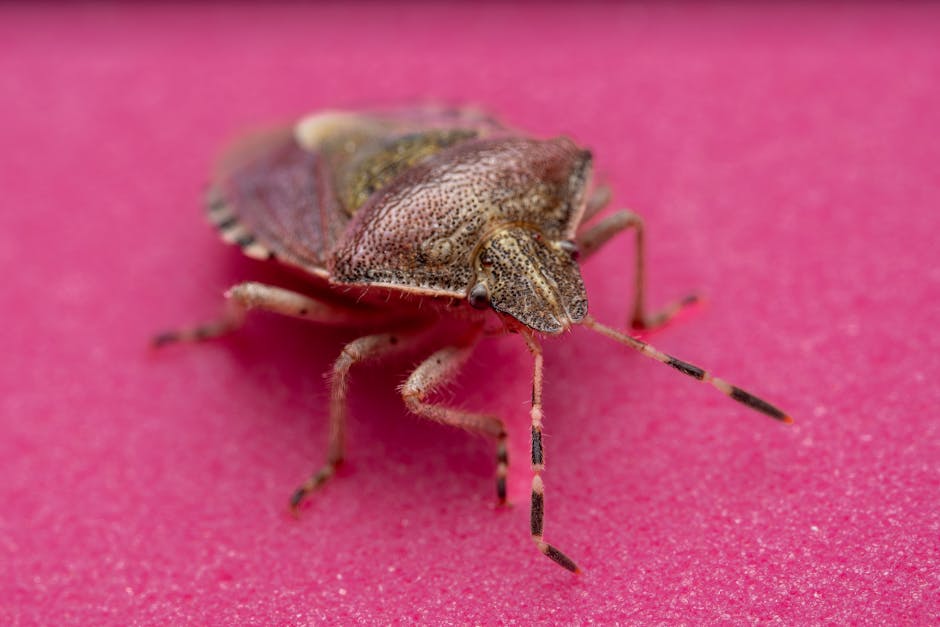
Bedbugs have become a widespread concern for homeowners and renters alike, causing sleepless nights and emotional distress. These tiny, elusive pests are notorious for their ability to hide in the smallest crevices, making them challenging to eradicate. Understanding the biology of bedbugs and the most effective extermination methods is crucial for anyone facing an infestation.
Understanding Bedbugs: Biology and Behavior
Bedbugs, scientifically known as Cimex lectularius, are small, wingless insects that feed on the blood of humans and animals. Adult bedbugs are typically about the size of an apple seed, with a flat, oval shape and a reddish-brown color. They are nocturnal creatures, preferring to feed at night when their hosts are asleep. This makes them particularly insidious, as many people may not even realize they have an infestation until the problem has escalated.
Their life cycle consists of several stages: egg, nymph, and adult. Female bedbugs can lay up to 500 eggs in their lifetime, leading to rapid population growth if left unchecked. Bedbugs are also known for their resilience; they can survive for several months without a blood meal, making it critical to act quickly once an infestation is identified.
Signs of Bedbug Infestation
Identifying a bedbug infestation early can save time, money, and stress. Common signs include:
- Bite Marks: Many people notice itchy welts on their skin, often in a line or cluster, which can indicate bedbug bites.
- Live Bedbugs: Spotting live bugs, especially in areas where you sleep, is a clear sign of an infestation.
- Exoskeletons: As bedbugs grow, they shed their skin, which can often be found in hiding spots.
- Fecal Stains: Small, dark stains on sheets or mattresses can indicate bedbug activity.
Regularly inspecting your bedding, furniture, and luggage can help to catch an infestation early, thus preventing it from spreading.
Effective Bedbug Extermination Techniques
When it comes to bedbug extermination, there are several effective methods available. Here are some of the most common approaches:
Heat Treatment: This method involves raising the temperature in infested areas to a level that is lethal to bedbugs. Professional exterminators often use specialized equipment to ensure that every nook and cranny reaches the necessary temperature. Heat treatment is highly effective and can eliminate all life stages of bedbugs.
Chemical Treatments: Various insecticides are available for bedbug extermination. These can be effective but must be used with caution, as improper application can lead to resistance. It is recommended to consult professionals for safe and effective chemical treatments.
Integrated Pest Management (IPM): This approach combines multiple strategies, including sanitation, monitoring, and exclusion, to manage bedbug populations effectively. IPM focuses on long-term prevention and control, making it a sustainable option for homeowners.
For those looking for specific solutions, researching various bed bug treatment options can provide additional insights and resources.
DIY Bedbug Control Measures
While professional extermination is often the most effective route, there are several DIY measures that can help control and even eliminate bedbug populations:
Vacuuming: Regular vacuuming of carpets, mattresses, and furniture can help to reduce bedbug populations by sucking them up before they have a chance to reproduce.
Washing and Drying: Washing bedding, clothing, and other fabric items in hot water and then drying them on high heat can kill bedbugs and their eggs.
Encasements: Using mattress and box spring encasements can trap bedbugs inside, preventing them from feeding and eventually leading to their demise.
Preventing Future Infestations
Once you have successfully eradicated bedbugs, it is essential to take steps to prevent future infestations. Here are some practical tips:
Regular Inspections: Conduct regular checks of your home, especially in areas where bedbugs are known to hide. Early detection is key to preventing a larger infestation.
Travel Precautions: When traveling, inspect hotel rooms for signs of bedbugs and keep luggage off the floor. Consider using hard-sided luggage and storing clothes in sealed bags.
Decluttering: Reducing clutter in your home can eliminate potential hiding places for bedbugs, making it easier to spot them if they return.
Conclusion
Dealing with a bedbug infestation can be a daunting task, but understanding these pests and employing effective extermination strategies can help you reclaim your home. Whether choosing to tackle the problem yourself or hiring professionals, prompt action is essential to minimize the impact of these unwelcome guests. With the right knowledge and tools, you can ensure a good night’s sleep free from the worry of bedbugs.