
The Future of the Construction Industry: Innovations and Challenges
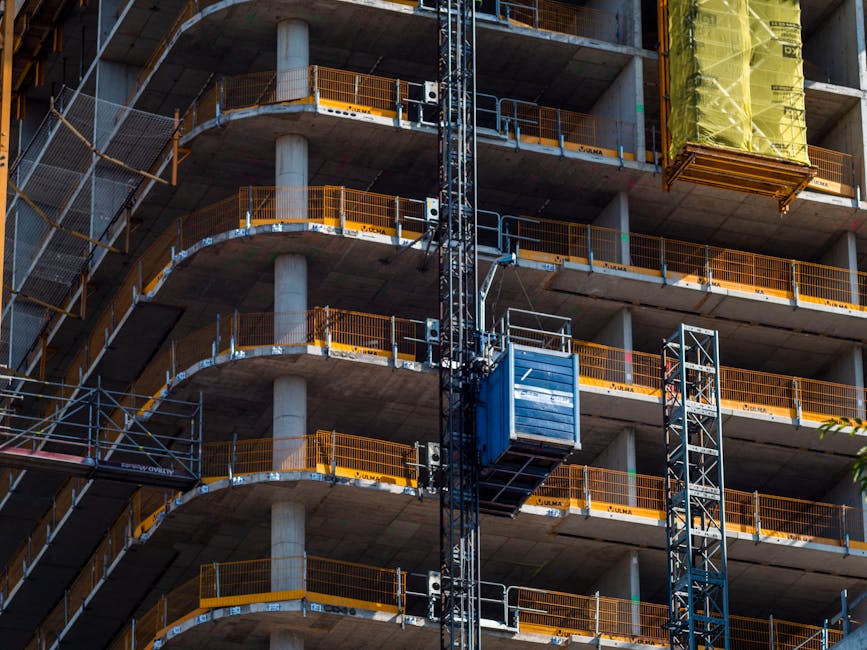
The construction industry is undergoing a significant transformation fueled by technological innovations and evolving market demands. From smart buildings to sustainable practices, this sector is at the forefront of change. As we delve deeper into the trends shaping the future of construction, it becomes clear that both opportunities and challenges lie ahead.
Technological Innovations in Construction
One of the most notable trends in today’s construction industry is the integration of technology. Innovations such as Building Information Modeling (BIM), drones, and 3D printing are revolutionizing the way projects are planned and executed. BIM allows for detailed digital representations of buildings, enabling architects and engineers to collaborate more effectively.
Drones are being utilized for site surveys, providing real-time data that enhances decision-making. For example, a study by the National Institute of Standards and Technology indicated that using drones can reduce surveying costs by up to 50%. Meanwhile, 3D printing is making waves by allowing the construction of entire homes in a fraction of the time traditionally required.
These technologies not only improve efficiency but also enhance safety on construction sites. With advanced monitoring systems, workers can be alerted to potential hazards, significantly reducing the risk of accidents.
Sustainability and Green Construction
As global awareness of environmental issues rises, sustainability has become a critical focus within the construction industry. Green building practices aim to minimize the ecological footprint of construction projects. This includes utilizing sustainable materials, improving energy efficiency, and incorporating renewable energy sources.
According to a report by the World Green Building Council, green buildings can reduce energy consumption by 30-50%. This not only benefits the environment but also provides long-term cost savings for building owners. For instance, many companies are opting for LEED certification, which signifies that their buildings meet high environmental standards.
Moreover, the trend towards sustainable construction is influencing the supply chain. Companies are increasingly seeking out suppliers who adhere to environmentally friendly practices, creating a ripple effect throughout the industry.
Labor Shortages and Workforce Development
Despite the advancements, the construction industry faces significant challenges, particularly in terms of labor shortages. As experienced workers retire, there is a growing gap that younger generations are not filling at the same rate. The Associated General Contractors of America reported that 80% of construction firms are struggling to find qualified workers.
To combat this issue, many companies are investing in workforce development programs. Collaborations with trade schools and community colleges are becoming common as firms seek to attract new talent. By providing training and apprenticeship opportunities, the industry aims to equip the next generation with the skills needed to thrive in a modern construction environment.
Furthermore, promoting diversity within the workforce is essential. Initiatives aimed at including women and minorities in construction roles can help expand the talent pool and bring fresh perspectives to the industry.
The Impact of Regulations and Safety Standards
Regulatory frameworks and safety standards are crucial components of the construction industry. Governments around the world are implementing stricter regulations to ensure safety and environmental protection. Compliance with these regulations can be a double-edged sword; while they promote safety and sustainability, they can also increase project costs and timelines.
For instance, the Occupational Safety and Health Administration (OSHA) has established stringent safety requirements that all construction sites must adhere to. Companies that fail to comply may face hefty fines and legal repercussions. This reality underscores the importance of staying informed about regulatory changes and investing in compliance training for workers.
Additionally, the impact of these regulations extends to project management. Construction firms must incorporate compliance checks into their project timelines, which can complicate scheduling and resource allocation.
Future Trends and Challenges
Looking ahead, the construction industry is poised to continue its evolution. Emerging trends such as modular construction and smart technologies are expected to shape future projects. Modular construction, where buildings are prefabricated off-site and assembled on location, promises to reduce construction times and costs significantly.
However, with these advancements come challenges. The need for continuous adaptation and investment in new technologies can strain resources, especially for smaller firms. Additionally, as the demand for construction services increases, the industry must ensure that it can meet these needs sustainably.
Overall, the construction industry is at a crossroads. Embracing innovation while addressing labor shortages and regulatory challenges will be crucial for its future success. By fostering a culture of continuous improvement and sustainability, the industry can build a resilient foundation for years to come.
Conclusion
The construction industry is a dynamic field that reflects broader societal changes. By harnessing technology, prioritizing sustainability, and investing in workforce development, the industry can navigate the complexities of the modern market. As we look to the future, it is essential for stakeholders to collaborate and innovate, ensuring that the construction industry remains a vital part of our economy.