
Exploring the Dynamics of Novel Sales in Today’s Market
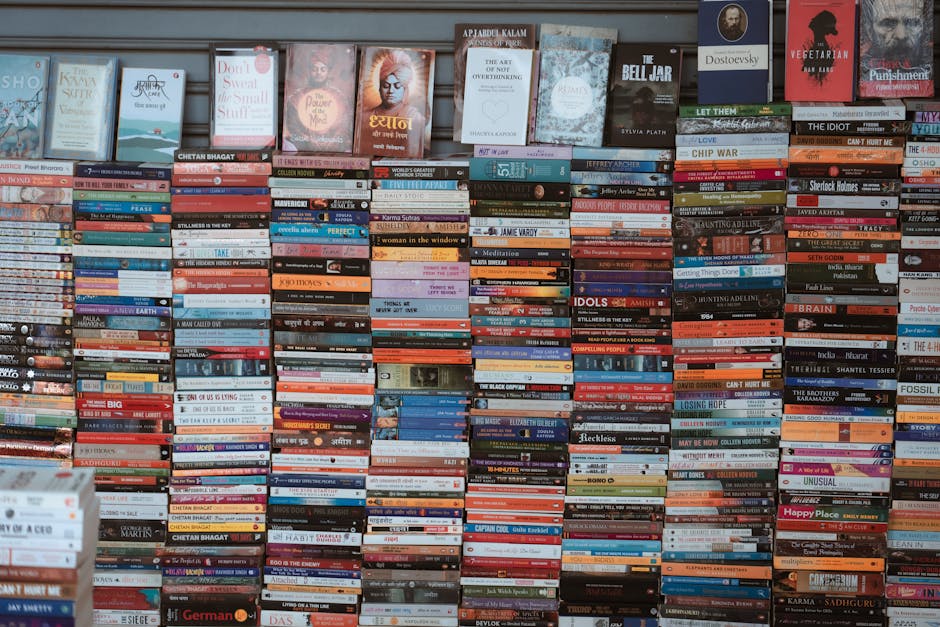
The landscape of novel sales has undergone significant changes over the past few decades, influenced by technological advancements, changing consumer preferences, and evolving market dynamics. In this article, we will delve into the factors that contribute to the success of novel sales, the impact of digital platforms, and future trends that could shape the industry.
The Rise of Digital Platforms
In recent years, digital platforms have transformed how novels are sold and consumed. With the advent of e-books and audiobooks, readers now have more options than ever before. According to a report by the Association of American Publishers, e-book sales accounted for approximately 20% of the total book market in 2022. This shift has opened new avenues for authors and publishers to reach a wider audience.
Moreover, platforms like Amazon Kindle and Apple Books have revolutionized the self-publishing industry. Authors can now bypass traditional publishing houses and directly publish their works online. This democratization of the publishing process has led to a surge in independent authors, contributing to the diversity of voices in the literary world.
Consumer Preferences and Trends
Understanding consumer preferences is crucial for maximizing novel sales. Recent studies indicate that readers are increasingly drawn to genres like science fiction, fantasy, and Dystopian fiction, which often reflect contemporary societal issues and challenges. This trend is further supported by the popularity of book-to-screen adaptations, which have sparked renewed interest in specific genres.
Additionally, the demand for diverse characters and stories is shaping the industry. Readers are seeking novels that represent varied perspectives and experiences, prompting publishers to invest in diverse authors and narratives. This shift not only caters to consumer preferences but also fosters a richer literary landscape.
The Role of Social Media in Marketing
Social media has become an indispensable tool for promoting novels and engaging with readers. Platforms like Instagram, TikTok, and Twitter allow authors to build their brands and connect with their audience directly. Book influencers and reviewers play a pivotal role in this ecosystem, often driving sales through their recommendations and reviews.
For instance, the #BookTok trend on TikTok has led to a significant increase in sales for various novels, demonstrating the power of viral marketing in the digital age. Authors and publishers are recognizing the importance of social media strategies to enhance visibility and reach potential readers effectively.
Impact of Economic Factors
Economic conditions also play a significant role in novel sales. During periods of economic downturn, consumers may prioritize essential purchases over discretionary spending, including books. However, data has shown that during challenging times, many readers turn to novels as a form of escapism, which can lead to increased sales in specific genres.
Furthermore, pricing strategies are critical in influencing consumer behavior. E-books often offer a more affordable alternative to traditional print copies, making them an attractive option for budget-conscious readers. Publishers are adapting their pricing models to accommodate changing consumer habits and preferences.
Future Outlook for Novel Sales
As we look to the future, several trends are poised to shape the novel sales landscape. The continued growth of digital formats, the rise of subscription services, and the integration of augmented reality in storytelling are just a few developments that could redefine how consumers engage with novels.
Moreover, the increasing focus on sustainability in publishing practices is gaining traction. Eco-friendly printing processes and sustainable materials are becoming more prevalent as both consumers and authors demand environmentally responsible practices.
Conclusion
In conclusion, novel sales are influenced by a myriad of factors, from digital innovations to shifting consumer preferences and economic conditions. As the industry continues to evolve, authors and publishers who adapt to these changes will thrive. By embracing new technologies, understanding consumer trends, and leveraging the power of social media, the future of novel sales looks promising.