The Rising Importance of EV Battery Suppliers in the Electric Vehicle Market
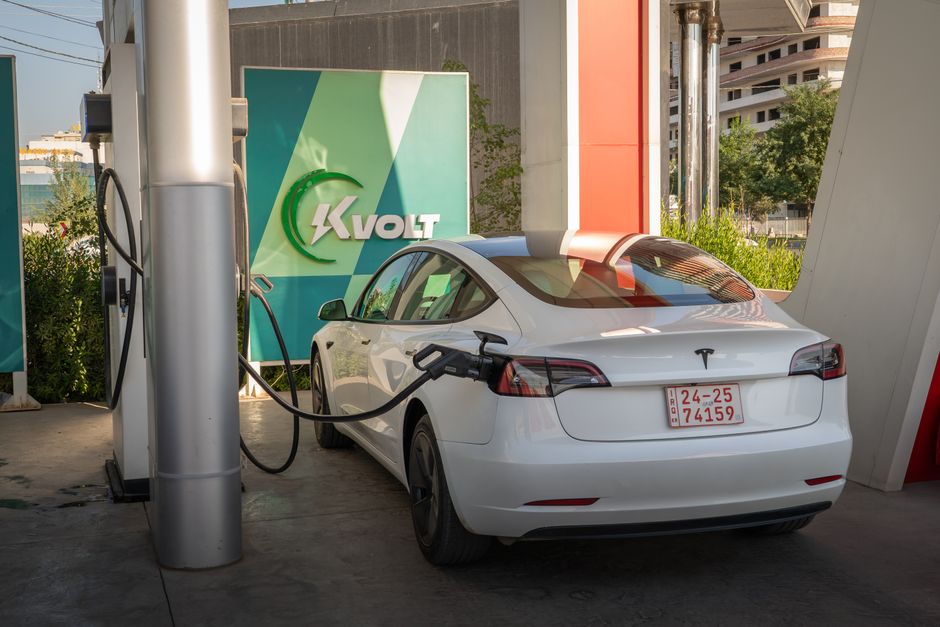
As the world shifts towards sustainable energy solutions, electric vehicles (EVs) have emerged as a key player in reducing carbon emissions. Central to this transition is the EV battery, which has become a critical component in determining the efficiency, range, and overall performance of electric vehicles. In this landscape, the role of EV battery suppliers has never been more crucial. This article delves into the significant impact of these suppliers on the EV market, examining leading manufacturers, the technology driving innovations, and the challenges they face.
The Growing Demand for Electric Vehicles
The demand for electric vehicles has skyrocketed in recent years, driven by a combination of environmental concerns, government incentives, and advancements in technology. According to a report from the International Energy Agency (IEA), global EV sales surged to over 6.6 million units in 2021, with projections indicating that this number could reach 23 million by 2030. This growth is fueled by a desire for cleaner transportation methods, as well as the increasing availability of charging infrastructure and more affordable EV models.
As more consumers turn to electric vehicles, the demand for high-quality batteries has intensified. Batteries are no longer just a supply component; they are the heart of the vehicle. The performance, range, and charging speed of an EV are directly related to the quality of its battery, making suppliers an indispensable part of the EV ecosystem.
Leading EV Battery Manufacturers
Several companies have emerged as leaders in the EV battery manufacturing industry, each contributing unique technologies and innovations. For instance, companies like Tesla, Panasonic, and LG Chem have established themselves as key players in the market. Tesla’s Gigafactory in Nevada, for example, has revolutionized battery production by integrating manufacturing processes and significantly reducing costs.
Additionally, companies like CATL and BYD from China have rapidly expanded their market share, offering competitive pricing and robust battery technologies. These manufacturers are not only focusing on lithium-ion batteries but are also exploring solid-state batteries, which promise higher energy density and safety.
Technological Innovations in Battery Production
Innovation in battery technology is vital for the growth of the electric vehicle sector. Recent advancements have focused on improving battery efficiency, reducing charging times, and extending lifespan. For instance, the development of fast-charging technology allows EVs to charge from 0 to 80% in as little as 30 minutes, making electric vehicles more appealing to consumers.
Moreover, research into alternative battery chemistries, such as sodium-ion and solid-state batteries, is gaining traction. These technologies could provide cheaper and more sustainable alternatives to traditional lithium-ion batteries, potentially transforming the market in the years to come.
The Challenges Faced by EV Battery Suppliers
Despite the promising outlook for EV battery suppliers, they face significant challenges that could hinder their growth. One of the primary concerns is the sourcing of raw materials, particularly lithium, cobalt, and nickel, which are crucial for battery production. Fluctuating prices and geopolitical tensions can impact supply chains and affect production costs.
Additionally, as the demand for EVs increases, suppliers must scale their operations rapidly, often leading to production bottlenecks. This need for scalability requires significant investment in manufacturing infrastructure and technology, which can be a barrier for smaller suppliers trying to enter the market.
Looking Ahead: The Future of EV Battery Supply
The future of EV battery suppliers appears bright, as the global push for sustainable transportation continues to gain momentum. With advancements in technology and increasing investment in research and development, the industry is poised for significant growth. Furthermore, as more automakers commit to electrifying their fleets, the demand for reliable and innovative battery suppliers will only increase.
To remain competitive, suppliers must focus on sustainability, efficiency, and innovation. By embracing new technologies and improving their manufacturing processes, they can help drive the electric vehicle revolution forward.
Conclusion
In conclusion, the role of EV battery suppliers is critical in shaping the future of the electric vehicle market. As demand for EVs continues to rise, these suppliers will be at the forefront of innovation, driving advancements that enhance battery performance and sustainability. The journey towards a greener future is intertwined with the progress of these suppliers, making their contributions invaluable to the ongoing transition to electric mobility.