
The Ultimate Guide to Skydiving Schools: What You Need to Know
Skydiving is an exhilarating experience that many people dream of trying at least once in their lifetime. However, before you leap from an airplane, it’s crucial to understand the importance of training and the role that a reputable skydiving school plays in ensuring your safety and enjoyment. In this article, we will explore what to expect from a skydiving school, the different types of courses available, and how to choose the right one for your skydiving adventure.
Understanding Skydiving Schools
Skydiving schools are specialized training facilities that teach individuals how to skydive safely and effectively. These schools are typically certified by national or international governing bodies, such as the United States Parachute Association (USPA). This certification ensures that the school adheres to strict safety standards and provides high-quality instruction. Most skydiving schools offer a mix of theoretical knowledge and practical training, preparing students for their first jump and beyond.
At a typical skydiving school, you can expect to learn about the physics of freefall, the equipment used in skydiving, and emergency procedures. Instructors emphasize the importance of understanding your gear, as well as how to react in various scenarios during the jump. This foundation is essential for anyone looking to pursue skydiving as a hobby or sport.
Types of Skydiving Courses
Skydiving schools offer several types of courses, catering to different skill levels and learning preferences. The most common courses include:
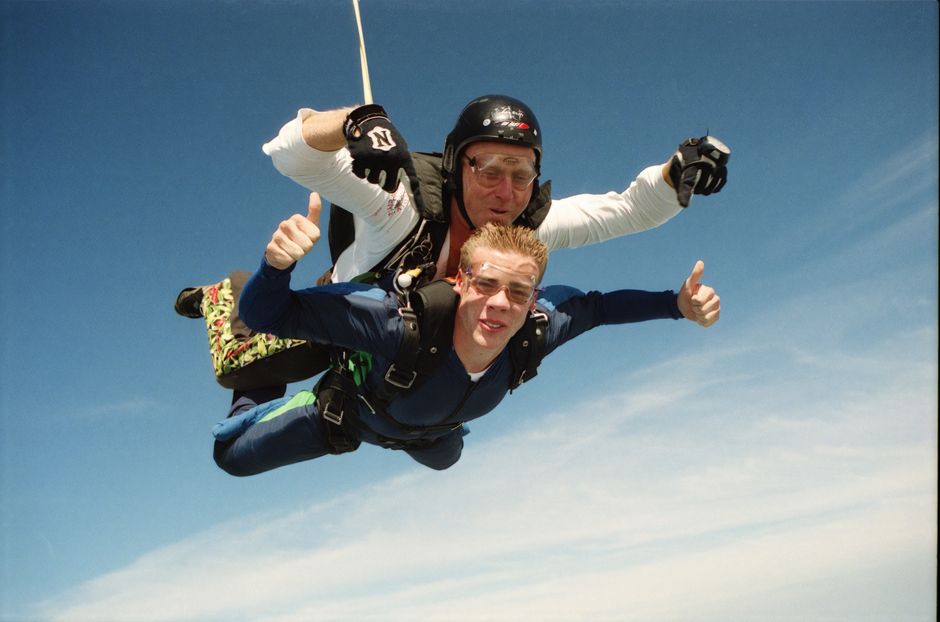
- Tandem Skydiving: This is the most popular option for beginners. In a tandem jump, you are harnessed to a certified instructor who controls the jump, freefall, and landing. This allows you to experience the thrill of skydiving without having to worry about the technical details.
- Accelerated Freefall (AFF): For those who wish to learn to skydive solo, the AFF course is a comprehensive training program. It includes ground school, followed by a series of jumps where you practice freefall with instructors by your side. This method allows for a faster progression to solo jumps.
- Static Line Jumps: This traditional method involves the parachute being deployed automatically when the jumper exits the aircraft. It’s less common today but can still be found at some skydiving schools.
Choosing the Right Skydiving School
When selecting a skydiving school, there are several factors to consider:
- Reputation: Research the school’s reputation by reading reviews and testimonials from former students. Look for schools with a strong safety record and positive feedback on their instructors.
- Instructor Experience: The experience level of the instructors is crucial. Ensure that your instructors are certified and have logged a significant number of jumps.
- Facilities: The quality of the facilities, including the aircraft used and the equipment provided, is also important. A well-maintained school will have modern equipment and a safe learning environment.
Additionally, consider the location and the type of environment you want to jump in. Some schools are located in scenic areas, providing breathtaking views during your jump.
What to Expect on Your First Jump
Your first jump will likely be a tandem jump, where you’ll be paired with an experienced instructor. After a thorough briefing, you will board the aircraft and ascend to the jump altitude, typically around 10,000 to 14,000 feet. The anticipation builds as you prepare to leap into the open sky.
Once you exit the aircraft, you will experience a thrilling freefall that lasts about 30 seconds before the parachute is deployed. After the parachute opens, you will enjoy several minutes of peaceful descent as you take in the stunning views below. Your instructor will guide you through the landing process, ensuring a safe and smooth touchdown.
Post-Jump Considerations
After completing your first jump, many students feel a rush of adrenaline and excitement. It’s common to want to continue pursuing skydiving, and many schools offer progression courses for those who wish to advance their skills. You may also find that joining a local skydiving club can enhance your experience, providing you with opportunities to jump with other enthusiasts and participate in events.
Additionally, consider the importance of ongoing training and safety. Skydiving is a sport that requires continuous learning and practice. Staying informed about safety procedures and advancements in technology will help you enjoy this thrilling activity for years to come.
If you’re ready to take the plunge and explore the world of skydiving, finding a reputable skydiving school is your first step toward an unforgettable adventure.