
Understanding the Costs of Roof Replacement: What Homeowners Need to Know
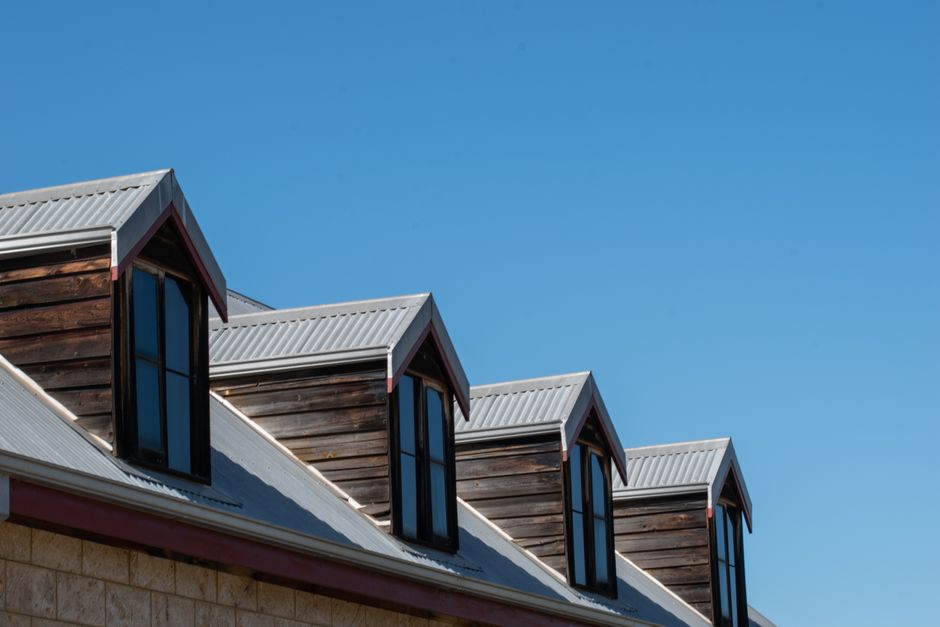
Replacing a roof is a significant investment for any homeowner. It’s not just about aesthetics; a new roof is crucial for the safety and integrity of your home. Yet, many homeowners feel overwhelmed by the potential costs associated with roof replacement. This article aims to break down the various factors that influence roof replacement costs, providing you with the information you need to make informed decisions.
Factors Influencing Roof Replacement Costs
There are several key factors that can affect the overall cost of replacing your roof. Understanding these components can help you budget effectively and avoid unexpected expenses.
First, the type of roofing material you choose plays a significant role. For instance, asphalt shingles are typically more affordable than metal or slate roofing. According to the National Roofing Contractors Association, the average cost of asphalt shingles ranges from $90 to $100 per square, while metal roofing can cost between $150 and $600 per square. This disparity in material cost is a primary reason why homeowners must carefully consider their options.
Second, the size and pitch of your roof can dramatically influence costs. A larger roof will obviously require more materials and labor, leading to higher expenses. Additionally, roofs with a steeper pitch may be more dangerous to work on, potentially increasing labor costs. Contractors often charge more for roofs that are difficult to access or require specialized equipment.
Labor Costs in Roof Replacement
Labor is another critical component of roof replacement costs. The average roofing contractor charges between $50 and $100 per hour, depending on their experience and your geographical location. In urban areas, labor costs tend to be higher due to increased demand and living costs.
Moreover, the complexity of your roof’s design can also affect labor costs. Roofs with multiple angles, valleys, or chimneys may require more skilled labor to navigate, resulting in higher charges. It’s essential to get estimates from multiple contractors to ensure you’re receiving a fair price.
Don’t forget to inquire about the warranty on both materials and labor. A good warranty can save you money in the long run by covering repairs or replacements if any issues arise shortly after installation.
Additional Costs and Considerations
In addition to materials and labor, there are other potential costs to consider. For instance, if your roof has extensive damage, you may need to pay for repairs to the underlying structure before a new roof can be installed. This could include replacing damaged wood, fixing leaks, or even removing old roofing materials.
Another consideration is the cost of permits. Many local governments require permits for roof replacement projects, which can vary widely in price. It’s crucial to check with your local building department to understand what permits you might need and their associated costs.
Lastly, it’s essential to factor in the disposal of old roofing materials. Some contractors include this in their estimates, while others may charge extra for disposal fees. Understanding all potential costs upfront can prevent unpleasant surprises after the work has begun.
Financing Options for Roof Replacement
Given the substantial investment required for roof replacement, many homeowners explore financing options. Home equity loans and lines of credit are popular choices, as they often provide lower interest rates compared to personal loans or credit cards.
Additionally, some roofing companies offer financing plans that allow you to spread the cost of your new roof over several months or years. Be sure to read the fine print on any financing agreement to understand the total cost, interest rates, and repayment terms.
It’s also wise to check for any local or federal programs that may offer financial assistance or incentives for energy-efficient roofing materials. These programs can help offset the costs of your new roof, making it a more affordable endeavor.
Getting Quotes and Making Your Decision
When considering roof replacement, obtaining multiple quotes is essential for comparison. Ensure that each contractor provides a detailed estimate that includes costs for materials, labor, permits, and any additional fees. This transparency will help you make an informed decision based on your budget and needs.
It’s also vital to research contractors thoroughly. Look for reviews and testimonials from previous clients, and ensure they are licensed and insured. A reputable contractor will not only provide a fair estimate but also deliver quality workmanship that meets industry standards.
Ultimately, the average roof replacement cost can range significantly based on various factors, but with adequate research and planning, you can ensure that you make the best choice for your home.
Conclusion
Roof replacement is a significant undertaking that can greatly impact the safety, value, and appearance of your home. By understanding the factors that contribute to the overall cost, researching your options, and obtaining multiple quotes, you can navigate this important process with confidence. Remember to consider all aspects, from materials and labor to financing options, to ensure a successful roof replacement project.