Unlocking Radiant Skin: The Benefits of Chemical Peel Treatments
Chemical peel treatments have gained immense popularity in recent years as a method for rejuvenating skin and addressing various dermatological concerns. Whether it’s tackling acne scars, hyperpigmentation, or signs of aging, these treatments offer a promising solution. In this article, we will explore the different types of chemical peels, their benefits, and what to expect during and after the treatment.
Understanding Chemical Peels
Chemical peels are cosmetic procedures that involve applying a chemical solution to the skin. This solution helps to exfoliate the outer layers, promoting the growth of new, healthier skin. There are three main types of chemical peels: superficial, medium, and deep peels. Each type varies in terms of depth and the specific conditions they address, making it essential to choose the right one for your skin type and concerns.
Superficial peels typically use mild acids, such as alpha-hydroxy acids (AHAs), to exfoliate the top layer of skin. These peels are ideal for improving skin tone and texture with minimal downtime. Medium peels penetrate deeper and often utilize trichloroacetic acid (TCA) to treat more significant skin issues, such as fine lines and moderate sun damage. Deep peels, on the other hand, involve stronger chemical solutions and are suitable for more severe skin concerns, such as deep wrinkles or scars.
Benefits of Chemical Peels
The advantages of undergoing a chemical peel are numerous. Firstly, they can significantly improve the appearance of fine lines and wrinkles, resulting in a more youthful look. Studies have shown that patients who undergo chemical peel treatments report a noticeable improvement in skin texture and tone after just one session.
Moreover, chemical peels can effectively treat acne scars and active acne by unclogging pores and removing dead skin cells. This can lead to clearer skin and a reduction in breakouts. Additionally, they are known to reduce hyperpigmentation, making them an excellent option for individuals struggling with uneven skin tone or sun damage.
Another notable benefit is enhanced skin absorption of topical treatments. After a chemical peel, the skin is more receptive to serums and moisturizers, allowing for better results from your daily skincare routine.
What to Expect During the Treatment
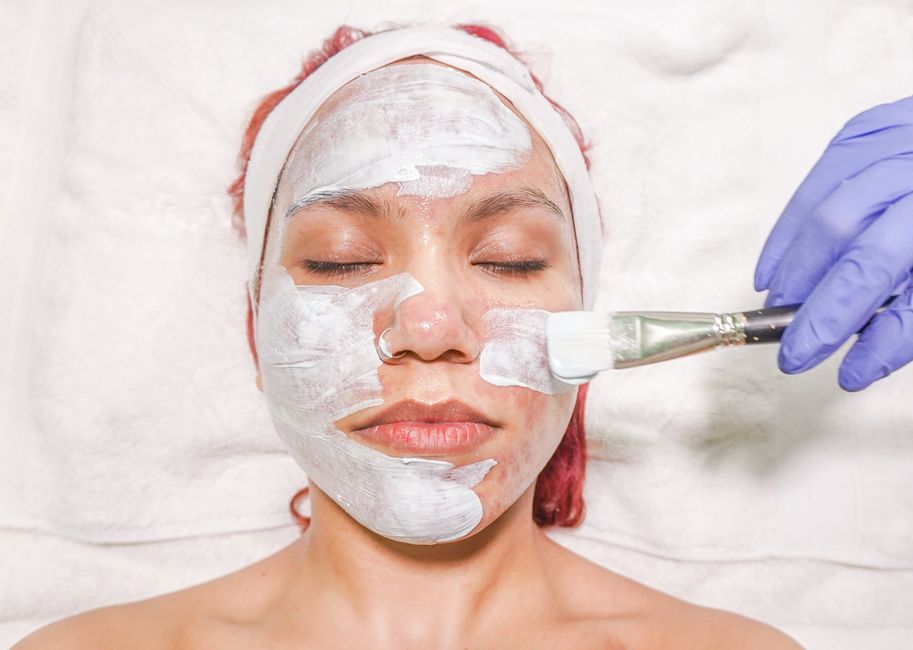
Before undergoing a chemical peel, it is vital to consult with a qualified dermatologist or skincare professional. They will assess your skin type and concerns to recommend the most suitable peel. During the procedure, the skin is cleansed before the chemical solution is applied. Depending on the type of peel, you may feel a slight stinging or burning sensation, which typically subsides quickly.
The duration of the treatment varies based on the peel type. Superficial peels usually take about 30 minutes, while medium and deep peels may last up to an hour or more. After the treatment, your skin may appear red or swollen, similar to a sunburn. This is a normal reaction and generally subsides within a few days.
Post-Treatment Care
Post-treatment care is crucial for achieving optimal results from your chemical peel. It is essential to follow your dermatologist’s instructions, which may include avoiding sun exposure, using gentle cleansers, and applying specific moisturizers. Sunscreen is particularly important, as your skin will be more sensitive to UV radiation.
During the healing process, it is normal for the skin to peel and flake as new skin emerges. This can last anywhere from a few days to a couple of weeks, depending on the peel’s depth. Patience is key, as the results become more apparent as the skin heals and rejuvenates.
For those considering the treatment, it is also advisable to schedule follow-up appointments to monitor skin progress and determine if additional treatments are needed. According to findings, many patients achieve their desired results after a series of peels, especially for more severe skin concerns.
Conclusion
Chemical peel treatments offer a viable solution for individuals seeking to improve their skin’s appearance and address various concerns. With the right approach and professional guidance, these treatments can lead to radiant, healthy skin. If you’re interested in exploring this option, consider consulting a certified dermatologist to discuss your skin goals and how chemical peel treatment can fit into your skincare regimen.