Transforming Spaces: The Art of Restaurant Interior Design
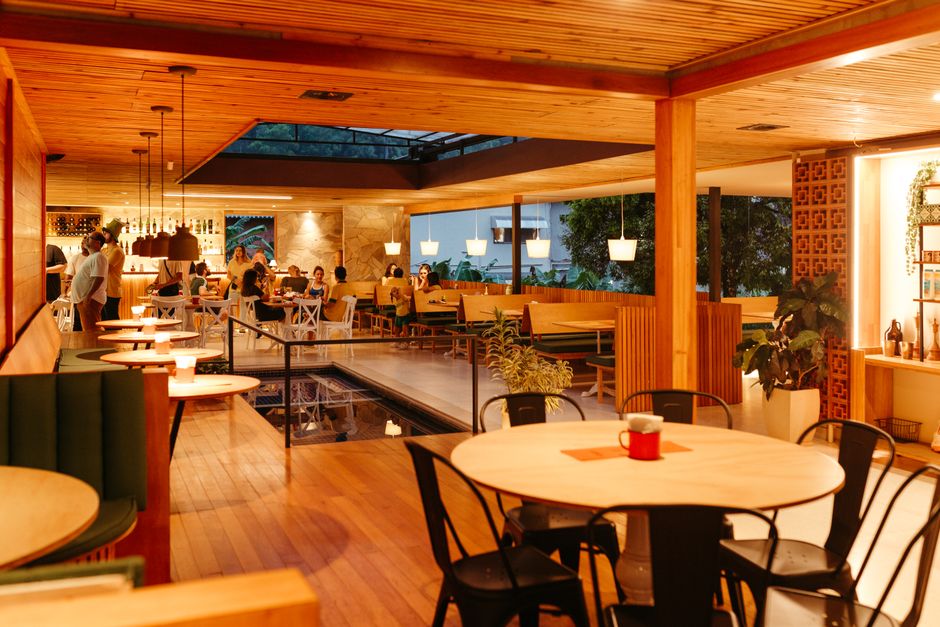
The ambiance of a restaurant plays a crucial role in shaping a customer’s dining experience. From the moment guests walk in, the interior design sets the tone for what they can expect. A well-thought-out restaurant interior design not only enhances the aesthetic appeal but also influences customer behavior and satisfaction. In this article, we will explore the key elements of effective restaurant interior design and how it can impact profitability and customer retention.
Understanding the Importance of Restaurant Interior Design
Restaurant interior design is more than just decoration; it is a strategic aspect that can affect the overall success of a dining establishment. A study by the National Restaurant Association found that 60% of diners choose a restaurant based on its ambiance. This statistic underscores the necessity of creating an inviting atmosphere that resonates with the target audience.
Moreover, the right interior design can facilitate better flow and functionality in the space. For instance, an open layout can encourage social interaction, while private booths can offer intimacy for romantic dinners. Thus, understanding the dynamics of customer behavior is essential in crafting an engaging restaurant environment.
Key Elements of Effective Interior Design
Several elements contribute to successful restaurant interior design. First and foremost, color schemes play a significant role in setting the mood of the space. Warm colors like red and orange can stimulate appetite and create a lively atmosphere, while cooler tones like blue and green can evoke calmness and relaxation.
Lighting is another critical component. The right lighting can highlight architectural features, create focal points, and enhance the overall dining experience. For example, dim lighting can create a cozy atmosphere for evening diners, while bright lighting may be more suitable for breakfast or lunch settings.
Furnishing and layout are equally important. Comfortable seating encourages guests to linger longer, which can increase sales. Additionally, the arrangement of tables should allow for easy movement while maintaining an intimate feel. Effective use of space can lead to higher table turnover rates without compromising the dining experience.
Trends in Restaurant Interior Design
As consumers’ preferences evolve, so do the trends in restaurant interior design. One notable trend is the rise of sustainable design. Many restaurants are now opting for eco-friendly materials and practices, appealing to environmentally conscious diners. This not only enhances the restaurant’s image but can also reduce operational costs in the long run.
Another trend is the incorporation of technology in design. Many establishments are integrating digital menus, interactive tables, and smart lighting systems to enhance customer engagement. This tech-savvy approach can create a modern dining experience that attracts a younger demographic.
Case Studies: Successful Restaurant Designs
Examining successful restaurants can provide valuable insights into effective interior design practices. For instance, the acclaimed restaurant Noma in Copenhagen utilizes natural materials and an organic color palette to reflect its commitment to seasonal, locally sourced ingredients. The design not only complements the culinary experience but also creates a serene dining atmosphere.
In contrast, the vibrant decor of the Mexican restaurant La Esquina in New York City showcases bold colors and eclectic furnishings that mirror the lively spirit of Mexican culture. Such design choices create an immersive experience that resonates with diners and enhances brand identity.
Conclusion: The Future of Restaurant Interior Design
As the restaurant industry continues to evolve, so will the importance of interior design in creating unforgettable dining experiences. A well-executed restaurant interior design can significantly enhance customer satisfaction, drive repeat visits, and ultimately contribute to a restaurant’s bottom line. Embracing new trends and understanding the needs of diners will be essential for restaurateurs looking to stand out in a competitive market.