Transforming Spaces: The Art of Restaurant Interior Design
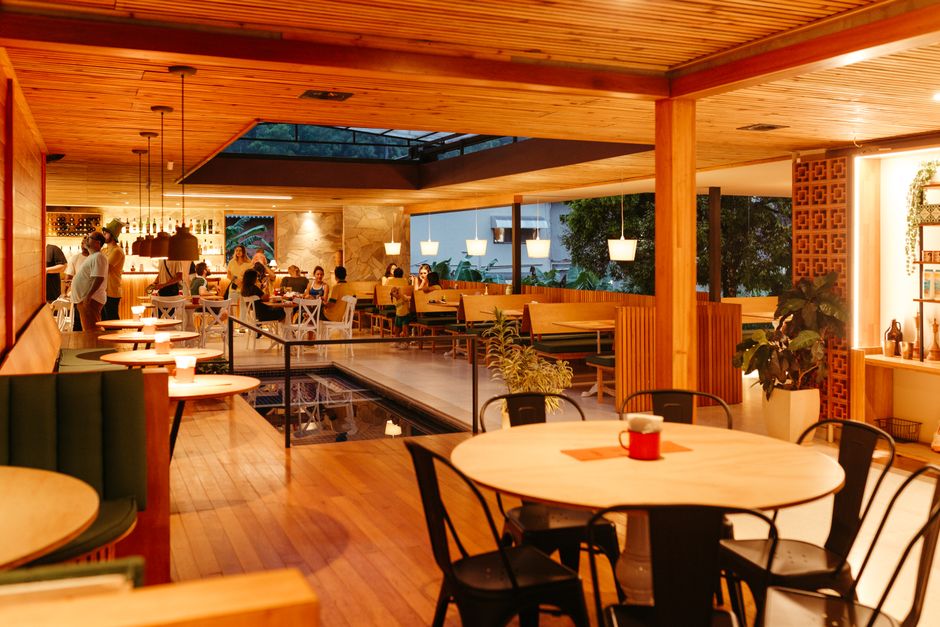
The ambience of a restaurant plays a crucial role in shaping a customer’s dining experience. From the choice of colors to the arrangement of furniture, every detail contributes to the overall atmosphere. As the restaurant industry continues to evolve, so does the importance of innovative and appealing interior design. This article delves into the key elements of restaurant interior design, exploring trends, practical tips, and the impact of design on customer satisfaction.
Understanding the Fundamentals of Restaurant Interior Design
At its core, restaurant interior design is about creating an inviting environment that enhances the dining experience. It involves a combination of aesthetics and functionality. Designers must consider various aspects such as layout, lighting, furniture, and décor. A well-designed space can influence customer behavior, encouraging longer visits and repeat customers.
For instance, research indicates that restaurants with comfortable seating and pleasant lighting can increase the time diners spend in the establishment, potentially leading to higher sales. Additionally, the layout should facilitate smooth movement for both customers and staff, ensuring efficiency during busy hours.
Current Trends in Restaurant Interior Design
As we navigate through 2023, several design trends have gained traction in the restaurant industry. One of the most notable is the incorporation of sustainable materials. Many restaurants are opting for eco-friendly furnishings and décor to appeal to environmentally conscious consumers. This trend not only enhances the aesthetic appeal but also aligns with the values of today’s diners.
Moreover, open kitchen designs have become increasingly popular. This concept allows diners to observe chefs in action, creating a sense of transparency and engagement. Such designs can enhance the overall dining experience, making it more interactive and memorable.
The Role of Color and Lighting in Creating Atmosphere
Color and lighting are two of the most powerful tools in restaurant interior design. They can evoke emotions, set the mood, and influence dining behavior. For instance, warm colors like red and orange can stimulate appetite and conversation, making them ideal for casual dining environments.
On the other hand, cooler colors such as blue and green can create a calming atmosphere, suitable for fine dining establishments. Lighting, too, plays a significant role; soft, dim lighting can create an intimate setting, while bright lighting is often used in fast-casual restaurants to encourage a quicker turnover of tables.
Practical Tips for Effective Restaurant Design
When embarking on a restaurant interior design project, it’s essential to have a clear plan. Start by defining your brand identity and target audience. This understanding will guide your design choices and help create a cohesive atmosphere that resonates with your customers.
Additionally, consider the functionality of your space. Ensure that the layout accommodates the flow of service while providing comfort for diners. Incorporating flexible seating arrangements can also cater to different group sizes, enhancing the overall experience.
Lastly, don’t overlook the power of personal touches. Unique artwork or local artifacts can give your restaurant character and make it stand out in a competitive market. A well-thought-out design can serve as a marketing tool, attracting new customers and creating memorable experiences.
The Impact of Restaurant Interior Design on Customer Experience
The connection between interior design and customer satisfaction cannot be overstated. A well-designed restaurant not only attracts customers but also plays a crucial role in retaining them. According to studies, diners are more likely to return to a restaurant where they felt comfortable and appreciated the ambiance.
Furthermore, the design can influence word-of-mouth marketing. Customers are more likely to share positive experiences on social media if they were impressed by the aesthetics of the restaurant. This organic promotion can lead to increased foot traffic and revenue.
As the competition in the restaurant industry intensifies, investing in quality interior design is no longer optional but essential. For those looking to explore innovative approaches to restaurant interior design, collaborating with experienced designers can provide valuable insights and elevate your space.
Conclusion
In conclusion, restaurant interior design is a vital component of the dining experience. It encompasses various elements that work together to create a welcoming and engaging atmosphere. By staying informed about current trends, understanding the impact of color and lighting, and implementing practical design strategies, restaurant owners can significantly enhance their customers’ experiences. Ultimately, a well-designed restaurant not only attracts diners but also fosters loyalty, ensuring long-term success in an ever-evolving industry.