
Essential Guide to Effective Drain Cleaning
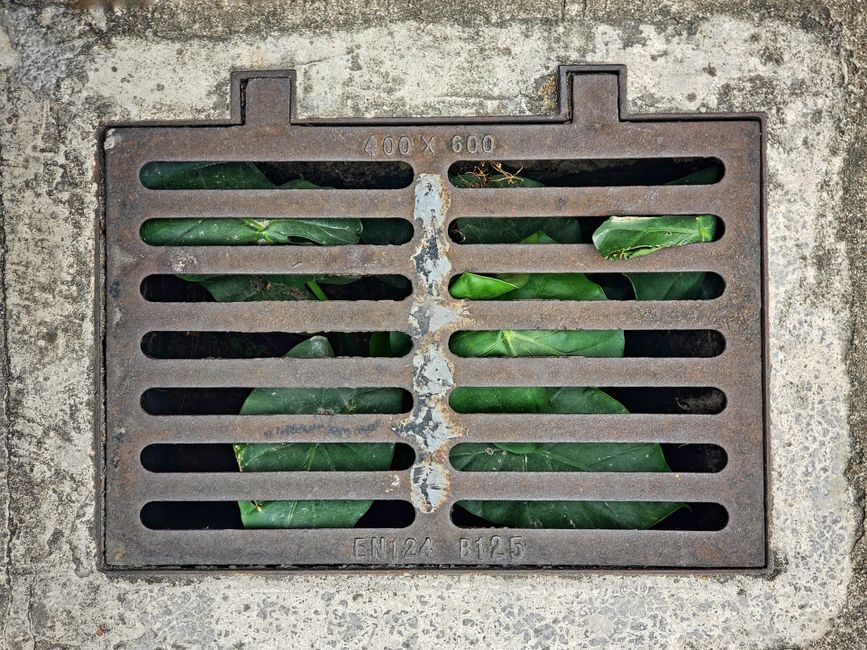
Drain cleaning is a vital maintenance task that often goes overlooked until a serious issue arises. Clogged drains can lead to a range of problems, from unpleasant odors to water damage and even costly repairs. This article will explore the importance of regular drain cleaning, the methods available, and practical tips for homeowners to keep their plumbing systems running smoothly.
Understanding the Importance of Drain Cleaning
Regular drain cleaning is essential for maintaining a healthy plumbing system. Over time, debris, grease, soap scum, and hair can accumulate in pipes, leading to blockages. These blockages can cause slow drainage, which can result in more severe plumbing issues if left untreated. According to industry experts, addressing drain issues early can save homeowners hundreds, if not thousands, of dollars in plumbing repairs.
Moreover, neglected drains can lead to significant hygiene problems. Stagnant water in clogged drains can become a breeding ground for bacteria and pests, posing health risks to the household. Regular cleaning helps eliminate these risks and ensures a safe living environment.
Common Causes of Clogged Drains
Understanding what causes clogged drains can help homeowners take preventative measures. One of the most common culprits is grease buildup from cooking. When fats and oils are poured down the sink, they can solidify and cling to the sides of pipes. Over time, this buildup can create a significant blockage.
Another frequent cause is hair. Whether from showering or grooming, hair can easily accumulate and form a dense mass that obstructs water flow. In bathrooms, using drain covers can significantly reduce the amount of hair entering the plumbing system.
Finally, foreign objects accidentally flushed down toilets can lead to severe clogs. Items such as wipes, feminine hygiene products, and even toys can create blockages that require professional intervention.
DIY Drain Cleaning Methods
Homeowners can take several steps to clean their drains without the need for professional help. One popular method is using a mixture of baking soda and vinegar. Pouring baking soda down the drain, followed by vinegar, can help break down minor clogs and eliminate odors. After letting the mixture sit for about 30 minutes, flushing the drain with hot water can help clear any remaining debris.
Another effective DIY method is using a plunger. For sinks and toilets, a plunger can create pressure that dislodges clogs. It’s essential to ensure a proper seal around the drain to maximize effectiveness.
However, while these methods can be effective for minor clogs, homeowners should be cautious. If a clog persists despite DIY efforts, it may be time to seek professional assistance to avoid damaging the plumbing system.
When to Call a Professional
There are times when DIY methods are insufficient, and professional drain cleaning is necessary. If clogs are frequent or severe, it may indicate a more serious underlying issue, such as tree root intrusion or pipe deterioration. In such cases, a professional plumber can perform an inspection and determine the best course of action.
Additionally, if homeowners notice unpleasant odors emanating from their drains, it could signal a serious blockage or even sewage backup. This situation requires immediate attention from a qualified plumber to prevent health hazards and property damage.
For those living in areas like Crown Point, IN, where sewer systems may be older, keeping the contact information of a reliable service for Sewer repair Crown Point IN is crucial. Regular maintenance can help prevent emergency situations and extend the lifespan of the plumbing system.
Preventative Measures for Drain Maintenance
Preventing clogs is often easier and more cost-effective than dealing with them after they occur. Homeowners can implement several simple practices to maintain clear drains. Regularly flushing drains with hot water can help dissolve grease and soap buildup before it becomes a problem.
Using strainers in sinks and showers can catch debris before it enters the pipes. It’s also advisable to educate family members about what can and cannot be flushed down the toilet to minimize the risk of clogs.
Finally, scheduling annual professional drain cleaning can significantly reduce the likelihood of severe blockages. A plumber can use specialized equipment to inspect and clean pipes, ensuring a smooth flow of water.
Conclusion
Effective drain cleaning is an essential aspect of home maintenance that should not be neglected. By understanding the causes of clogs, employing DIY cleaning techniques, knowing when to call a professional, and taking preventative measures, homeowners can keep their plumbing systems in excellent condition. Regular maintenance not only saves money in the long run but also ensures a safe and healthy living environment.