
The Essential Guide to Septic Tank Cleaning
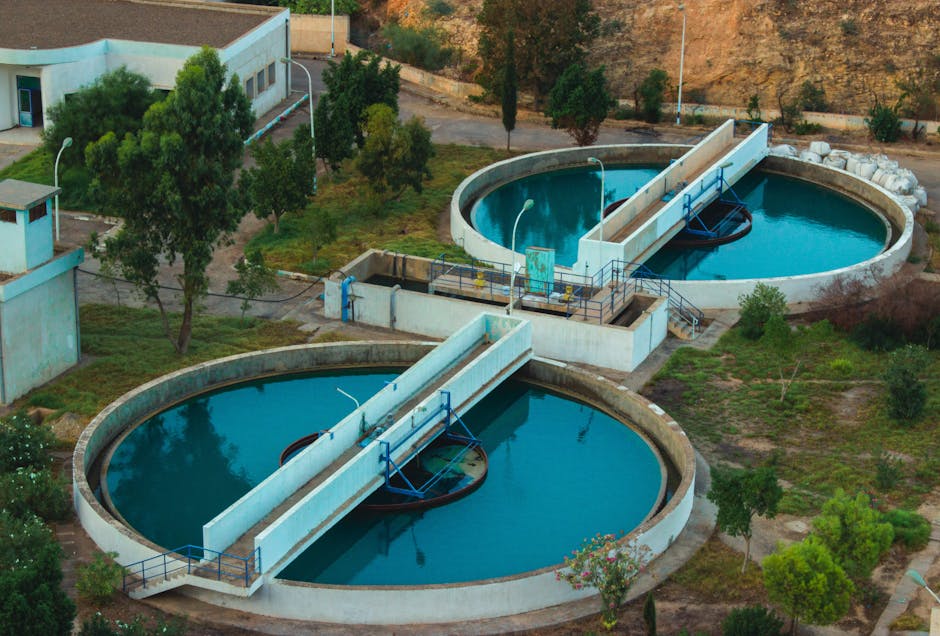
Maintaining a septic tank is a crucial aspect of home ownership that often goes overlooked. Many homeowners are unaware of the importance of regular cleaning and maintenance, which can lead to costly repairs and health hazards. Understanding the principles of septic tank cleaning can help ensure that your system runs smoothly and efficiently, ultimately extending its lifespan.
Understanding the Septic System
A septic system is designed to treat wastewater from your home. It consists of a septic tank, drain field, and soil absorption area. When wastewater flows into the septic tank, solids settle to the bottom while lighter materials float to the top, forming a scum layer. Bacteria in the tank break down the solids, but this process isn’t infinite. Regular cleaning is necessary to remove sludge and prevent backups.
According to the Environmental Protection Agency (EPA), septic systems should be inspected at least every three years and pumped every three to five years, depending on use. Not doing so can result in serious problems, including system failure and contamination of groundwater.
Signs That Your Septic Tank Needs Cleaning
Homeowners should be vigilant for signs that their septic tank may need cleaning. Common indicators include slow drains, gurgling sounds in your plumbing, and foul odors around the yard. If you notice lush patches of grass or wet areas in your yard that are not due to irrigation, this could indicate a leak or overflow from your septic system.
Additionally, frequent backups in your home are a clear sign that your septic tank could be full and needs to be serviced. Regular maintenance can help prevent these issues, saving you time and money in the long run.
The Cleaning Process
Cleaning a septic tank involves several steps that should be performed by a professional. Initially, the septic tank is pumped to remove the accumulated sludge and scum. This process generally takes about a few hours, depending on the size of the tank and the amount of waste it contains.
Once the tank is pumped, a thorough inspection is conducted to identify any signs of damage or wear. This includes checking the inlet and outlet baffles, as well as the tank itself, for cracks or deterioration. Regular inspections can catch issues early, making repairs easier and less costly.
Best Practices for Septic Maintenance
To keep your septic system in good working order, there are several best practices you should follow. First, limit the amount of water you use to avoid overwhelming the system. Spread out laundry loads and avoid running multiple appliances at once.
Additionally, be cautious about what you flush down the toilet. Items like grease, non-biodegradable products, and chemicals can disrupt the natural bacteria balance in the septic tank. For more comprehensive care, consider scheduling routine septic maintenance to ensure that your system remains healthy.
Choosing a Professional for Cleaning
When it’s time to hire a professional for septic tank cleaning, be sure to choose a reputable company. Look for certified and insured professionals with positive reviews. It’s also wise to ask about their experience and methods to ensure that they follow environmental regulations.
Inquire about their cleaning process, including how they handle waste disposal. A good service provider will not only clean your tank but will also offer advice on how to keep your system functioning optimally.
Conclusion
Regular septic tank cleaning is an essential part of home maintenance that can prevent significant issues down the road. By understanding how your septic system works and recognizing the signs that it needs servicing, you can help avoid costly repairs and maintain a healthy home environment. Always prioritize professional help for cleaning and maintenance, and follow best practices to keep your septic system in top shape.