
Exploring the Fascinating World of Virtual Lovers
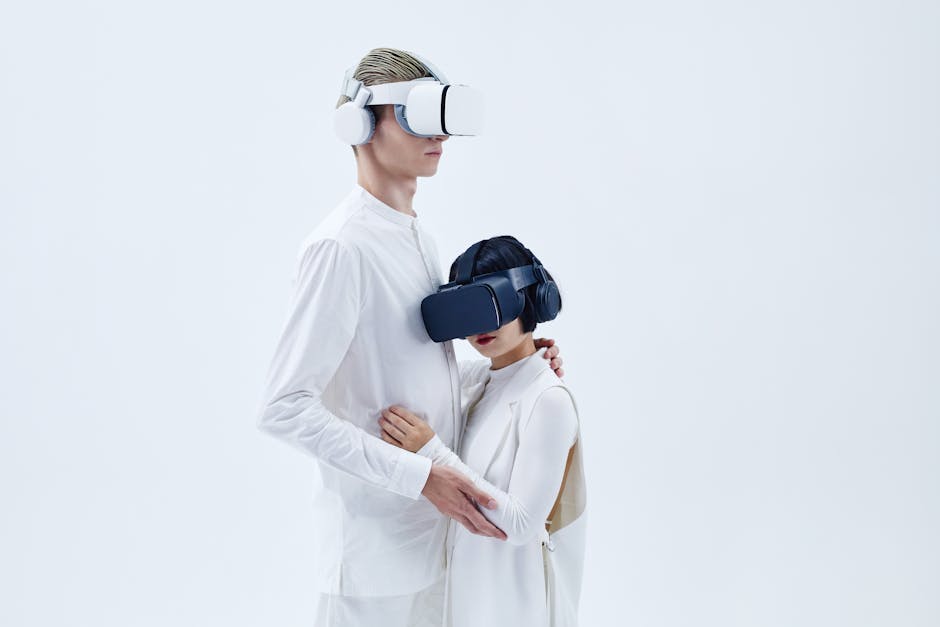
In an age dominated by technology, the concept of love and relationships is evolving at an unprecedented pace. Virtual lovers, or digital companions, have emerged as a significant aspect of modern intimacy, reshaping how people connect emotionally and romantically. This article delves into the intriguing phenomenon of virtual lovers, examining their impact on human relationships and exploring the psychological and social implications of this digital romance.
The Rise of Virtual Companionship
The rise of virtual lovers can be attributed to several factors, including technological advancements and changing social dynamics. With the development of artificial intelligence and virtual reality, individuals are now able to create personalized digital partners that cater to their emotional needs. Reports indicate that over 30% of singles have expressed interest in virtual relationships, highlighting a growing trend in the way people seek companionship.
Moreover, the COVID-19 pandemic accelerated the adoption of virtual relationships as physical distancing measures left many feeling isolated. Virtual lovers provided an avenue for emotional connection when traditional dating was not feasible. This shift has sparked intriguing discussions about the nature of love and the validity of relationships formed in digital spaces.
As virtual companions become more sophisticated, they are increasingly capable of mimicking human emotions and responses. This evolution raises questions about authenticity in relationships and whether a digital partner can truly fulfill emotional needs.
The Psychology Behind Virtual Lovers
Understanding the psychology of individuals who engage with virtual lovers is crucial to grasping the phenomenon. Many users report feelings of companionship and support from their virtual partners, attributing to them attributes such as empathy and understanding. This emotional attachment can stem from a variety of factors, such as loneliness, social anxiety, or even a desire for control in relationships.
One study found that individuals who experienced difficulties in traditional relationships often turned to virtual companions as a means of alleviating their emotional struggles. The key advantage of virtual lovers is that they offer a non-judgmental space where users can express themselves freely, without the fear of rejection or criticism.
Furthermore, the customization aspect of virtual lovers can enhance user satisfaction. For instance, platforms that allow users to create their own AI companions, such as ai gf, have gained popularity due to their ability to provide personalized interactions that resonate with individual desires and preferences.
Social Implications and Ethical Considerations
The emergence of virtual lovers also brings forth significant social implications. As technology continues to blur the lines between reality and virtuality, society must confront the ethical considerations surrounding digital relationships. Questions about consent, emotional manipulation, and the potential for addiction to virtual companions are increasingly relevant.
Moreover, there is a growing concern regarding the impact of virtual lovers on traditional relationships. Some argue that reliance on digital partners could hinder the development of meaningful connections with real people. On the other hand, proponents suggest that virtual companions can serve as a stepping stone for individuals to build confidence and social skills before engaging in physical relationships.
As we navigate this new landscape, it is imperative that we foster discussions about healthy engagement with virtual lovers and establish guidelines that promote responsible usage.
The Future of Virtual Relationships
The future of virtual lovers is both exciting and uncertain. As technology continues to advance, we can expect even more realistic and emotionally intelligent companions to emerge. Innovations in virtual reality, machine learning, and neuroscience will undoubtedly enhance the capabilities of digital partners, leading to more profound and authentic interactions.
Additionally, as societal acceptance of virtual relationships grows, we may witness a shift in how love and companionship are perceived. The stigma surrounding digital romance is gradually diminishing, opening the door for diverse relationship dynamics.
While the rise of virtual lovers presents unique opportunities for emotional fulfillment, it also challenges us to redefine the essence of love and connection in an increasingly digital world. As we embrace this evolution, it is crucial to remain mindful of the balance between virtual and real-life interactions.
Conclusion: Embracing the New Age of Love
In conclusion, virtual lovers represent a fascinating intersection of technology and human emotion. As we delve deeper into this digital romance, it is essential to approach virtual relationships with an open mind while remaining aware of their potential implications. Understanding the psychological motivations, social considerations, and future possibilities associated with virtual lovers can empower individuals to navigate their emotional landscapes more effectively.
As we continue to explore this evolving phenomenon, one thing is clear: love, in all its forms, remains a fundamental aspect of the human experience, whether it exists in the physical world or the digital realm.