
Exploring the Future of Concert Ticketing Platforms
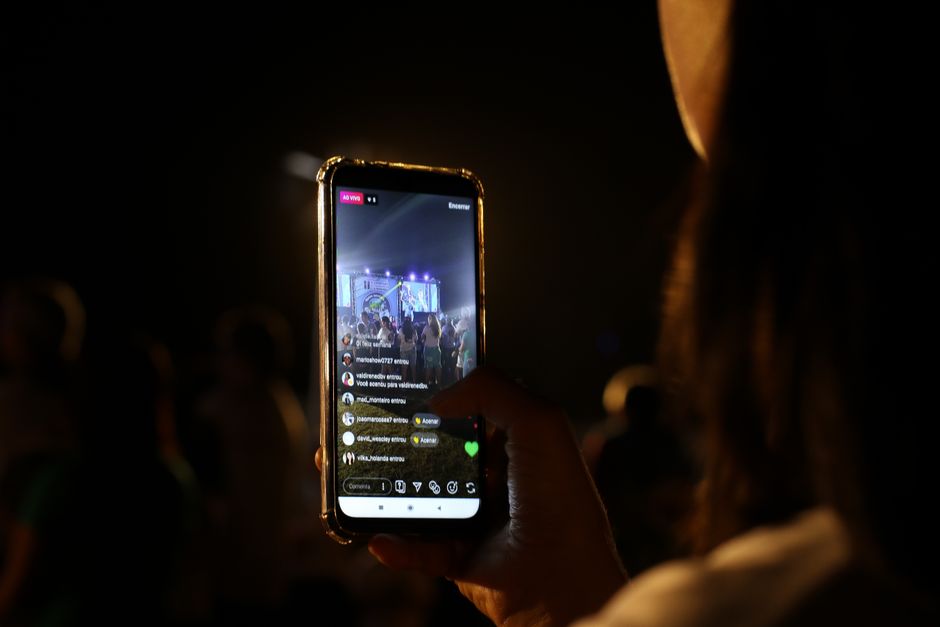
In the rapidly evolving world of live events, concert ticketing platforms have transformed the way fans purchase tickets. Gone are the days of long queues and limited availability; today, technology plays a pivotal role in enhancing the concert-going experience. This article delves into the various aspects of concert ticketing platforms, their evolution, and what the future holds for both fans and event organizers.
The Evolution of Concert Ticketing
The journey of concert ticketing has come a long way from traditional box offices to sophisticated online platforms. In the early days, purchasing a ticket meant waiting in line, often leading to disappointment as shows sold out quickly. However, the advent of the internet changed everything, allowing fans to buy tickets from the comfort of their homes.
According to a recent industry report, online ticket sales accounted for over 70% of total ticket revenue in 2022. This shift not only streamlined the process for consumers but also provided organizers with valuable data on customer preferences and buying behaviors.
As technology continues to advance, we see the rise of mobile ticketing, which has further simplified the purchasing process. Apps and websites now offer features such as instant notifications for ticket releases and personalized recommendations, making it easier for fans to secure their spots at their favorite concerts.
Key Features of Modern Ticketing Platforms
Modern concert ticketing platforms come equipped with a variety of features designed to enhance the user experience. One of the standout functionalities is the ability to search for tickets based on specific criteria, such as date, location, and genre. This personalized approach helps users find concerts that suit their interests quickly.
Additionally, many platforms now offer integrated social sharing options, allowing fans to share events with friends and family. This not only helps in spreading the word about upcoming shows but also encourages group attendance, which is vital for boosting ticket sales.
Moreover, the implementation of secure payment gateways ensures that transactions are safe and smooth. As concerns over online fraud grow, users can feel confident knowing their personal information is protected. Platforms that prioritize security often see higher customer trust and loyalty.
The Role of Data Analytics
Data analytics is becoming a cornerstone in the concert ticketing industry. By analyzing customer data, ticketing platforms can gain insights into buying patterns, preferences, and even demographic information. This data is invaluable for event organizers, enabling them to tailor marketing strategies and optimize ticket pricing.
For instance, platforms can identify peak purchasing times and adjust their marketing efforts accordingly. They may offer discounts during off-peak periods or create urgency through limited-time offers, thereby maximizing sales potential.
Furthermore, data analytics helps in predicting demand for specific events. By understanding which artists or genres are trending, ticketing platforms can proactively manage inventory and avoid situations where tickets sell out too quickly, leaving fans frustrated.
Challenges Facing Ticketing Platforms
Despite the advancements in concert ticketing, several challenges remain. One significant issue is the prevalence of ticket scalping, where individuals buy tickets in bulk to resell at inflated prices. This practice can alienate genuine fans who are unable to afford tickets due to artificially inflated prices.
In response, many platforms are implementing measures to combat scalping, such as limiting the number of tickets a single user can purchase or requiring user verification. These strategies aim to create a fairer ticket-buying experience.
Additionally, the rise of digital tickets has introduced new challenges in terms of accessibility and the potential for technical glitches. Event organizers must ensure that their platforms can handle high traffic volumes, especially during popular ticket sales, to prevent crashes that could result in lost sales.
The Future of Concert Ticketing
The future of concert ticketing platforms is bright, with continued innovations on the horizon. One exciting development is the integration of virtual reality (VR) and augmented reality (AR) technologies. These advancements could allow fans to preview concert experiences before purchasing tickets, enhancing their overall decision-making process.
Furthermore, as the demand for personalized experiences grows, ticketing platforms may begin to offer tailored packages that include not just tickets but also exclusive merchandise, meet-and-greet opportunities, and even travel arrangements for destination concerts.
As the industry adapts to changing consumer preferences and technological advancements, concert ticketing platforms will remain at the forefront of enhancing the live event experience. For fans eager to explore the latest options available, utilizing a reliable concert ticketing platform is essential.
Conclusion
In conclusion, concert ticketing platforms have undergone significant changes over the years, evolving from traditional methods to complex online systems that prioritize user experience and security. With advancements in data analytics and technology, the future looks promising, albeit with challenges to address. As we move forward, both fans and event organizers must adapt to these changes to ensure a seamless and enjoyable concert experience.