
How to Effectively Detect Fraudulent Invoices
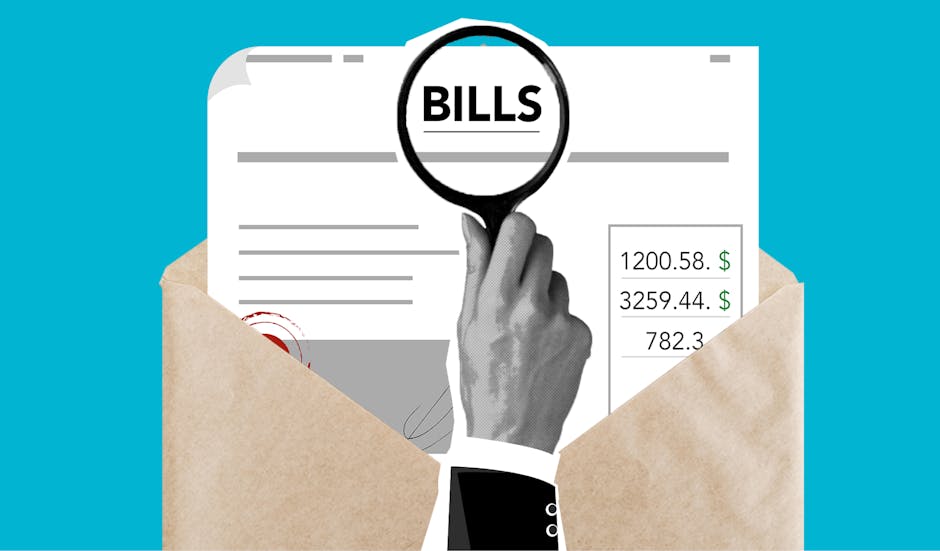
In the fast-paced world of business, fraudulent invoices can pose a significant threat to companies of all sizes. With the rise of digital transactions and online commerce, the methods used by fraudsters are becoming increasingly sophisticated. Understanding how to detect fraud invoice is essential for protecting your business assets and maintaining financial integrity.
Understanding Invoice Fraud
Invoice fraud typically involves a scam where a company receives a fake invoice with the intent to trick them into making a payment. This can take various forms, including phishing scams, where fraudsters impersonate legitimate vendors, or the manipulation of real invoices to inflate costs. According to a report by the Association of Certified Fraud Examiners, organizations lose an estimated 5% of their revenue to fraud each year.
Furthermore, the rise of remote work and digital communication has made it easier for these fraudulent schemes to take root. Employees may inadvertently process payments for invoices without properly verifying their authenticity, leading to significant financial losses.
Red Flags of Fraudulent Invoices
Identifying fraudulent invoices requires a keen eye for detail. Some common red flags include discrepancies in invoice amounts, inconsistent vendor information, and unusual payment terms. For instance, if a vendor who typically sends invoices with a specific format suddenly changes their invoice style, this could be a sign of fraud.
Other signs include multiple invoices for the same service or product, invoices sent via personal email accounts instead of official business channels, and requests for urgent payments. Training employees to recognize these warning signs is crucial in preventing fraud.
Implementing Robust Invoice Verification Processes
To combat invoice fraud, businesses should establish a robust verification process. This can involve implementing a multi-step approval system where invoices are reviewed by multiple personnel before payment is authorized. Additionally, utilizing technology can streamline this process. Automated systems that flag discrepancies can significantly reduce the likelihood of human error.
One effective method is to cross-reference invoices with purchase orders and delivery receipts. This helps ensure that every invoice is legitimate and corresponds to a verified transaction. Furthermore, maintaining a database of approved vendors can help employees quickly identify any suspicious invoices.
Leveraging Technology to Detect Fraud
Advancements in technology have provided businesses with powerful tools to detect fraud. Companies can employ machine learning algorithms to analyze spending patterns and detect anomalies that may indicate fraud. For example, if an invoice from a vendor suddenly spikes in amount, the system can flag this for further investigation.
Moreover, using specialized software can automate the invoice approval and verification process. These tools can also provide insights into spending trends, making it easier to spot irregularities. For those interested in learning more about how to detect fraud invoice through technology, many resources are available online.
Training Employees and Raising Awareness
Ultimately, the most effective defense against invoice fraud is a well-informed workforce. Regular training sessions on how to identify and respond to fraudulent activity can empower employees to act as the first line of defense. This includes educating them on the common tactics used by fraudsters and encouraging them to report any suspicious activity immediately.
Creating a culture of transparency and accountability within the organization can also help mitigate risks. Employees should feel comfortable discussing their concerns and asking questions about invoices that seem unusual.
Conclusion
Invoice fraud is a growing concern that can have severe consequences for businesses. By understanding the signs of fraudulent invoices, implementing robust verification processes, leveraging technology, and training employees, companies can significantly reduce their risk of falling victim to these scams. Taking proactive measures not only protects financial resources but also enhances overall operational integrity.