
The Art and Joy of Handmade Pizza: A Culinary Journey
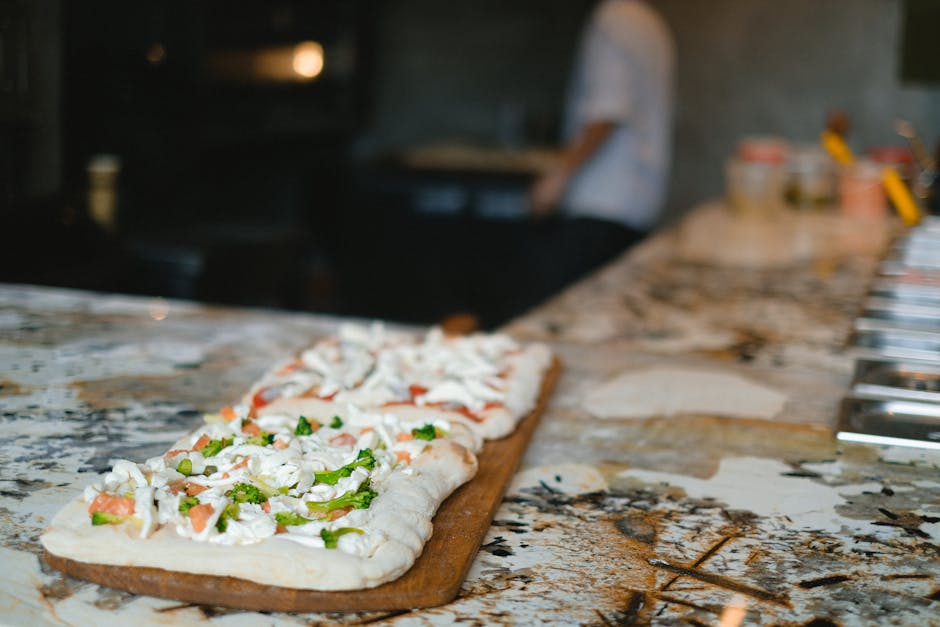
In the world of gastronomy, few dishes evoke as much passion and creativity as handmade pizza. This beloved food, with its myriad of toppings and styles, has captivated taste buds across cultures and generations. Whether you’re a seasoned chef or a home cook, the process of making pizza from scratch is both an art and a science. In this article, we will explore the intricacies of handmade pizza, from selecting the finest ingredients to mastering the perfect dough.
The History of Pizza
Pizza has a rich history that traces back to ancient civilizations. The earliest forms of flatbreads topped with various ingredients can be found in the Mediterranean region, particularly among the Greeks and Romans. However, the modern pizza we know today originated in Naples, Italy, in the 18th century. The Margherita pizza, adorned with tomatoes, mozzarella cheese, and basil, was created in honor of Queen Margherita of Savoy, symbolizing the Italian flag. This classic pizza remains a staple in pizzerias worldwide.
As pizza gained popularity, it evolved into various regional styles. For instance, New York-style pizza is known for its thin, crispy crust, while Chicago-style pizza features a deep-dish approach with layers of cheese and toppings. Each style reflects the local culture and preferences, making pizza a versatile dish that can be adapted to suit anyone’s taste.
Ingredients for Handmade Pizza
The foundation of any great pizza lies in its ingredients. The dough, sauce, cheese, and toppings all play crucial roles in determining the final flavor and texture. When making handmade pizza, it is essential to use high-quality ingredients. For the dough, opt for all-purpose or bread flour, which provides the necessary gluten strength for a chewy crust.
Tomato sauce can be made from scratch using San Marzano tomatoes, olive oil, garlic, and fresh herbs. For cheese, a blend of mozzarella and provolone adds depth and creaminess. As for toppings, the possibilities are endless—pepperoni, mushrooms, bell peppers, and even gourmet options like truffle oil or arugula can elevate your pizza to new heights.
The Dough-Making Process
Creating the perfect pizza dough is both an art and a science. The process begins with mixing flour, water, yeast, and salt. Once combined, the dough should be kneaded until smooth and elastic. This step is crucial, as it develops the gluten that gives the crust its structure. After kneading, the dough needs to rise, allowing the yeast to ferment and create air bubbles, resulting in a light and airy crust.
Once the dough has risen, it should be shaped into individual pizza rounds. This can be done by hand or with a rolling pin, depending on your desired thickness. It’s essential to handle the dough gently to retain the air pockets formed during fermentation. After shaping, the dough is ready to be topped and baked.
Cooking Techniques for Handmade Pizza
Once your pizza is assembled, the cooking method is critical to achieving the perfect crust. Traditional wood-fired ovens can reach incredibly high temperatures, resulting in a beautifully charred crust and perfectly melted cheese. However, if you don’t have access to a wood-fired oven, a pizza stone placed in a regular oven can mimic that effect. Preheating your oven to the highest setting and allowing the stone to heat up will help achieve a similar crispy texture.
Another popular method is using a grill, which can impart a unique smoky flavor to the pizza. Grilling requires careful monitoring to prevent burning, but it can yield delicious results. Regardless of the method, the key is to cook the pizza until the crust is golden brown and the cheese is bubbly.
Enhancing Your Handmade Pizza Experience
Pairing your handmade pizza with the right beverages can enhance the overall dining experience. A crisp salad can serve as a refreshing side, while a selection of wines can complement the flavors of your pizza. For instance, a light-bodied red wine such as Pinot Noir pairs well with tomato-based pizzas, while a white wine like Sauvignon Blanc complements lighter toppings such as seafood or vegetables.
Additionally, consider experimenting with different toppings and flavor combinations. Unique ingredients like goat cheese, figs, or even barbecue sauce can bring exciting twists to traditional recipes. The beauty of handmade pizza lies in its versatility, allowing you to express your culinary creativity.
Conclusion
Handmade pizza is not just a meal; it’s a celebration of flavors, creativity, and tradition. By understanding its history, mastering the dough-making process, and experimenting with various toppings, anyone can become a pizza aficionado. So gather your ingredients, invite friends or family, and enjoy the process of crafting your own masterpiece. And for those looking to elevate their pizza experience even further, consider visiting local pizzerias that offer unique flavors and styles, such as LUXURY 777, where culinary excellence meets artisanal craftsmanship.